Stress, Substance Use, and Stability: Navigating Personal Health in Oil Sands Communities

Life in oil sands communities offers economic opportunities and a sense of pride, yet it also presents unique challenges to mental health and overall well-being. Long shifts, remote work locations, and high-pressure environments can create stress that affects both physical and emotional health. For some, these pressures contribute to substance use as a coping mechanism. At SETT, we understand the importance of supporting individuals in these communities through compassionate, holistic, and personalized care that addresses both mental health and addiction recovery.

Understanding the Connection Between Stress and Substance Use

Stress is a natural response to demanding work conditions, but chronic stress can have serious consequences for personal health. Workers in oil sands communities often face extended shifts, limited social interactions, and the physical demands of their jobs. Over time, these factors can contribute to anxiety, depression, and other mental health challenges.

Substance use can sometimes appear to provide temporary relief, yet it often exacerbates underlying emotional issues. Alcohol, prescription medications, and other substances may offer short-term escape, but they do not solve the root causes of stress. Recognizing this connection early is essential for long-term stability and recovery.

How SETT Supports Individuals Facing Stress and Addiction

At SETT, we provide comprehensive addiction recovery services and mental health treatment tailored to the unique needs of individuals living in high-stress environments like the oil sands. Our programs include both inpatient and outpatient care, allowing for flexible support that fits each client’s lifestyle.

We use an individualized approach that combines evidence-based therapies with holistic and faith-based options. This means that clients receive not only clinical treatment for addiction and mental health concerns but also guidance in developing coping strategies, mindfulness practices, and spiritual support if desired. By addressing the whole person, we empower individuals to achieve lasting wellness.

Strategies for Maintaining Personal Health in Oil Sands Communities

Even with professional support, daily habits and routines play a critical role in managing stress and preventing substance use. Here are key strategies that can help:

Build Strong Social Connections

Isolation increases the risk of stress and substance use. Maintaining close relationships with family, friends, and peers can provide emotional support and accountability. SETT also offers group therapy and peer support programs that encourage sharing experiences and building community resilience.

Establish Healthy Routines

Structured routines that include regular sleep, exercise, and nutritious meals can significantly improve mental health. Consistent schedules help regulate mood and reduce vulnerability to stress-related triggers.

Seek Early Intervention

Mental health concerns and substance use problems often worsen without professional care. Early intervention through counseling, therapy, or recovery programs can prevent small issues from becoming major obstacles. SETT provides confidential assessments and personalized treatment plans to support each client at every stage of their journey.

Holistic Approaches to Long-Term Stability

Recovery and emotional well-being are more than managing symptoms. At SETT, we emphasize holistic approaches that integrate physical, mental, and spiritual care. Mindfulness exercises, faith-based support, and personalized therapy complement traditional medical and counseling services. These strategies help individuals build resilience, develop healthy coping mechanisms, and create meaningful, balanced lives despite the pressures of oil sands work.

Preparing for Sustainable Wellness

Sustainable wellness requires ongoing effort. By combining professional support with practical daily strategies, individuals can maintain stability, reduce reliance on substances, and improve overall quality of life. SETT’s programs empower clients to take control of their health, develop self-awareness, and cultivate habits that support long-term success.

Taking the Next Step Toward Health and Recovery

Stress and substance use in oil sands communities are real challenges, but they are not insurmountable. SETT is here to provide compassionate guidance, professional care, and individualized support. Whether you are facing stress, struggling with substance use, or seeking tools to maintain emotional stability, reaching out for help is the first step toward a healthier, more balanced life.

Contact SETT today to explore personalized recovery and mental health programs that work for you. Your journey toward stability, resilience, and well-being starts here.

Beyond the Boom: How Emotional Well-Being Shapes Life in the Oil Sands

Life in the oil sands is often associated with opportunity, high wages, and economic growth. Yet beneath the surface of this bustling industry, workers and their families face unique emotional and mental health challenges. Long shifts, remote locations, and the pressures of demanding work environments can take a toll on mental well-being. At SETT, we understand that emotional health is just as important as physical safety, and addressing these challenges is a crucial step toward recovery and overall wellness.

The Emotional Impact of Oil Sands Work

Working in the oil sands is demanding, both physically and mentally. Extended shifts and rotational schedules can lead to isolation, fatigue, and stress. Many workers experience feelings of disconnection from family and community, which can increase vulnerability to anxiety, depression, and substance use. It is not uncommon for individuals to turn to alcohol or other substances as a way to cope with these pressures.

Recognizing these challenges is the first step in building resilience. At SETT, our programs focus on helping individuals understand the emotional impact of their work environment and develop healthy coping strategies that support long-term well-being.

Stress and Addiction in Oil Sands Communities

High-pressure industries often correlate with higher rates of substance use. The combination of physical exhaustion, emotional stress, and limited social support can lead individuals down a path of addiction. Early intervention is key. Through our comprehensive addiction recovery services, SETT offers both inpatient and outpatient care tailored to each individual. Our programs address not only the physical aspects of addiction but also the underlying emotional and psychological triggers.

We take a holistic approach, incorporating therapy, counseling, and faith-based support for those who desire it. By treating the whole person, rather than just the symptoms, we help clients build a foundation for lasting recovery.

Strategies for Supporting Mental Health

Even for those not struggling with addiction, life in the oil sands can challenge mental health. Here are practical strategies that we encourage for maintaining emotional well-being:

Build a Support Network

Isolation can magnify stress. Staying connected with family, friends, and colleagues provides emotional grounding and reduces feelings of loneliness. SETT also offers group therapy and community programs that allow individuals to share experiences and find support among peers.

Prioritize Routine and Self-Care

Maintaining a structured daily routine that includes exercise, healthy meals, and adequate rest is essential. Self-care is not a luxury; it is a critical component of mental resilience, especially in high-stress environments.

Seek Professional Help Early

If stress, anxiety, or substance use begins to interfere with daily life, professional support is vital. SETT provides individualized mental health treatment that addresses personal challenges and equips clients with practical tools to manage emotions effectively.

Holistic and Faith-Based Approaches to Healing

Recovery and emotional wellness are deeply personal journeys. SETT’s holistic care model integrates evidence-based therapies with optional faith-based support, meditation, and mindfulness practices. This individualized approach ensures that each client’s physical, emotional, and spiritual needs are addressed, creating a more comprehensive path toward wellness.

Creating Long-Term Resilience

Recovery is not a single event but a lifelong process. By cultivating healthy habits, seeking support, and addressing emotional challenges proactively, individuals working in the oil sands can thrive both personally and professionally. SETT empowers clients with the skills, strategies, and compassionate guidance they need to navigate the unique pressures of their environment.

Taking the Next Step Toward Emotional Well-Being

Life in the oil sands comes with challenges, but it is possible to maintain emotional balance and achieve meaningful recovery. SETT is here to provide expert care, compassionate support, and practical strategies tailored to your unique journey. Whether you are seeking help for addiction, mental health concerns, or simply want to strengthen your resilience, reaching out for support is the first step toward lasting well-being.

Contact SETT today and start your journey to emotional health, recovery, and a more balanced life.

After the Boom Ends: Supporting Mental Health in Transitioning Oil Communities

When the oil boom comes to an end, the effects are felt far beyond empty job postings and closed worksites. Communities that once thrived on high employment and economic growth suddenly face uncertainty, stress, and upheaval. For individuals living and working in these regions, the transition can take a serious toll on mental health. Anxiety, depression, and substance use often increase when routines, purpose, and financial stability are disrupted. Supporting mental health in transitioning oil communities is not just a necessity—it is an investment in the resilience and well-being of entire families.


Understanding the Mental Health Challenges

Economic downturns in oil towns bring more than financial concerns. For many, their identity is closely tied to their work. When jobs are lost, individuals can experience feelings of grief, shame, and a loss of purpose. Families often face increased tension as stress levels rise, and the ripple effects of uncertainty can affect children and relationships.

The Invisible Strain

Mental health challenges often go unnoticed until they become severe. Sleep disturbances, irritability, mood swings, and social withdrawal are common early signs. Some individuals may turn to alcohol or drugs to manage stress, creating patterns of addiction that compound existing difficulties. Recognizing these signs early and providing accessible support is critical for long-term recovery and community well-being.


The Role of Compassionate, Holistic Care

Integrated Approaches to Healing

Addressing mental health effectively requires a holistic and individualized approach. SETT combines professional counseling, faith-based support, and evidence-based addiction recovery services to treat the whole person. This approach acknowledges the emotional, spiritual, and physical dimensions of mental health, providing a foundation for lasting recovery.

Inpatient and Outpatient Support

Inpatient programs offer structured care for individuals who need stability and intensive guidance. Outpatient programs provide flexibility, allowing residents to maintain family, work, and community responsibilities while receiving ongoing treatment. Both approaches emphasize skill-building, coping strategies, and personal growth.


Strengthening Community Connections

Peer Support and Shared Experience

Recovery and mental health improvement thrive in connection. Peer groups, mentorship programs, and family counseling create safe spaces where individuals can share experiences, learn coping strategies, and build supportive networks. Feeling understood and valued is a critical step in reducing stigma and promoting emotional resilience.

Family-Centered Healing

The emotional strain of a transitioning oil community affects entire households. Families benefit from counseling and support programs that help rebuild communication, trust, and stability. Strengthening family bonds not only aids individual recovery but also creates a healthier, more resilient community.


Practical Strategies for Resilience

Developing Healthy Coping Mechanisms

Transitioning communities require new ways to handle stress. Therapy and holistic treatment provide tools for emotional regulation, problem-solving, and stress management. Faith-based support can also foster hope and provide a framework for understanding personal challenges.

Planning for the Future

Recovery is strengthened when individuals find purpose beyond their former roles. Education, volunteer opportunities, and community involvement help residents build new identities and regain a sense of control over their lives. These steps transform uncertainty into an opportunity for growth and personal fulfillment.


Supporting Healing, One Step at a Time

The end of an oil boom is challenging, but it also presents an opportunity to prioritize mental health and build resilience. Communities can recover when individuals receive compassionate, holistic support that addresses the full spectrum of their needs.

If you or someone you love is struggling with mental health challenges, addiction, or the emotional impact of economic change, help is available. SETT offers personalized, faith-based, and holistic programs designed to guide individuals toward lasting recovery and emotional well-being.

Take the first step today by visiting www.sett.org. Recovery is possible, and a healthier, more resilient future can begin now.

More Than an Economy: Rebuilding Hearts and Homes After the Oil Sands Crash

When the oil sands economy crashes, the damage reaches far beyond lost paychecks and closed job sites. Families feel the pressure, relationships feel the strain, and individuals often carry the emotional weight in silence. In many oil sands communities, the sudden shift from security to uncertainty creates an environment where stress, anxiety, depression, and substance use can quietly take hold. True recovery after an economic collapse is about more than rebuilding financial stability. It is about healing hearts, restoring hope, and rebuilding homes from the inside out.

The Hidden Emotional Toll of Economic Collapse

Job loss brings more than practical challenges. It brings grief over lost identity, fear about the future, and shame that many people do not know how to express. When someone has spent years defining their value through hard work and long hours, a sudden stop can feel like the ground has been pulled away.

How Stress and Trauma Show Up in Daily Life

Emotional stress often appears in subtle ways. Sleep may suffer. Irritability can increase. Motivation drops. Some individuals withdraw from loved ones because they feel overwhelmed or embarrassed. Others try to numb their pain through alcohol or drugs. These are not personal failures. They are common human responses to prolonged pressure and loss.

At this stage, mental health support and addiction recovery services become essential. Early intervention creates a safer path forward and prevents deeper crises from developing.

Addiction and Mental Health in Oil Sands Communities

Why High Stress Environments Increase Risk

High income and high pressure industries often come with a culture of pushing through pain and avoiding vulnerability. When the work disappears, the coping strategies many people rely on disappear with it. Without structure, unhealthy habits can grow quickly.

Substance use may start as a way to cope with insomnia or anxiety. Over time, it can become dependency. Anxiety can deepen into depression. Without professional support, these patterns become harder to break.

Healing the Whole Person Through Holistic Care

Recovery is most effective when the whole person is treated, not just the symptoms. Holistic, faith based, and individualized care helps people reconnect with their values, beliefs, and purpose. This approach addresses emotional health, physical well being, and spiritual strength. It also respects each individual story.

Inpatient and outpatient programs provide flexible levels of care. Structured environments offer safety and accountability. Outpatient care allows individuals to maintain family and community responsibilities while continuing treatment.

Rebuilding Homes Through Healthy Relationships

Restoring Trust Within Families

Economic stress and addiction place enormous strain on family systems. Communication often breaks down. Trust can be damaged. Children and partners may feel fear, confusion, or isolation.

Family focused counseling helps rebuild those connections. By creating safe spaces for honest conversations, families can transition from blame and silence to understanding and shared healing.

Creating Stability Through Routine and Support

Stability is built through healthy daily structure. Simple habits like consistent sleep, nutritious meals, regular therapy sessions, and spiritual practices restore a sense of control. Support groups and peer communities offer encouragement and accountability that no one should have to face alone.

SETT supports individuals and families through compassionate, structured care that meets them where they are, not where they think they should be.

Practical Steps Toward Healing and Stability

Learning New Coping Skills

Recovery is not just about removing a substance. It is about replacing old habits with healthy ones. Therapy teaches real life skills like emotional regulation, stress management, and conflict resolution. These skills remain valuable long after economic conditions change.

Building a Future Beyond the Industry

Many individuals discover new purpose through education, volunteer work, ministry, creative outlets, and new career paths. With the right guidance, an industry downturn can become a turning point instead of an ending.

A New Beginning Is Possible

The oil sands crash can feel like the end of a chapter that defined your life. But it does not have to define your future. Healing is possible. Homes can be rebuilt. Hearts can be restored. Hope can be found again.

If you or someone you love is struggling with addiction, mental health challenges, or emotional pain related to economic stress, reach out to SETT today. Personalized, compassionate care is available, and you do not have to walk this journey alone.

Visit www.sett.org to take the first step toward healing, stability, and lasting recovery.

When the Jobs Fade: Finding Purpose and Stability After the Oil Boom

When an oil boom slows and the job market begins to shrink, the impact on individuals and families can feel immediate and overwhelming. Many residents in oil sands communities have built their lives around demanding work schedules, long rotations, and strong incomes. When that stability begins to fade, the shift can bring uncertainty, emotional strain, and increased vulnerability to addiction and mental health challenges. Yet even in these difficult moments, healing and renewed purpose are possible with the right support, the right tools, and a community that cares.


Understanding the Emotional Impact of a Changing Industry

The decline of job opportunities in oil towns affects far more than a paycheck. The loss of structure, identity, and routine can leave individuals feeling ungrounded and unsure of their next steps. Workers who once found purpose through their trade may struggle to imagine a future outside the industry. These emotional shifts often create stress, anxiety, frustration, and even grief.

When Stress Turns Into Something More

During a downturn, many people experience increased pressure to support their families or maintain their previous standard of living. As stress accumulates, some turn to substances to cope, a pattern that can quickly become difficult to control. Without support, temporary coping can become addiction, and emotional strain can develop into more serious mental health concerns.


Rediscovering Purpose During Transition

Creating Space for Self Reflection

When the familiar routines of the oil sands fade, it becomes important to step back and reflect on personal values, strengths, and long term goals. This shift can be uncomfortable, but it often becomes the first step toward building a life that supports emotional well being and long term stability.

Through counseling and individualized support at SETT, individuals can explore their identity beyond their job title. This process allows them to reconnect with their personal goals, discover new passions, and recognize their inherent worth.

Building New Skills and Mindsets

Recovery and emotional stability often require developing new coping strategies. Holistic care, including faith based guidance, mindfulness practices, and professional mental health treatment, helps individuals build resilience. These tools support better decision making, healthier habits, and a renewed sense of confidence, even during economic uncertainty.


Strengthening Community Support

Finding Connection in Shared Experience

One of the greatest protective factors during economic downturns is community. When individuals connect with others who understand the challenges of job loss, isolation, and stress, they feel less alone. Peer groups, family support systems, and spiritual communities provide encouragement and accountability.

Family Healing and Stability

Families often experience their own version of the downturn. Roles shift, stress increases, and communication can become strained. SETT offers support that includes family members, helping households rebuild trust, stability, and healthy communication patterns. This collaborative healing strengthens the entire community.


Professional Care for Long Term Healing

Holistic and individualized treatment is essential for those dealing with addiction, anxiety, depression, or emotional instability after job loss. SETT provides a compassionate blend of inpatient and outpatient services that address the whole person. Care plans are tailored to each individual, integrating therapy, faith based practices, and wellness strategies that nurture physical, emotional, and spiritual health.

This approach not only supports recovery but empowers individuals to move forward with clarity and renewed purpose.


Moving Toward a Brighter Future

Economic shifts can feel unpredictable, but healing and growth remain possible regardless of external change. When individuals find stability within themselves through recovery, connection, and faith, they become better equipped to navigate whatever lies ahead.

Take the First Step Today

If you or someone you care about is struggling with addiction, stress, or emotional challenges due to the changing oil sands economy, help is within reach. SETT provides compassionate, personalized care that supports every step of the healing journey.

Visit www.sett.org to connect with a team dedicated to helping you find purpose, stability, and renewed hope.

Resilience in Action: How Faith and Community Drive Post-Bust Healing

When an oil town faces an economic downturn, the challenges go far beyond empty job postings and closed businesses. Families feel the strain, individuals face stress and anxiety, and many residents may struggle with substance use as a way to cope. In these moments, resilience becomes more than a personal trait—it is a community effort. Faith and community support play a vital role in helping individuals and families navigate uncertainty, rebuild emotional stability, and regain hope for the future.


Understanding the Emotional Impact of Economic Busts

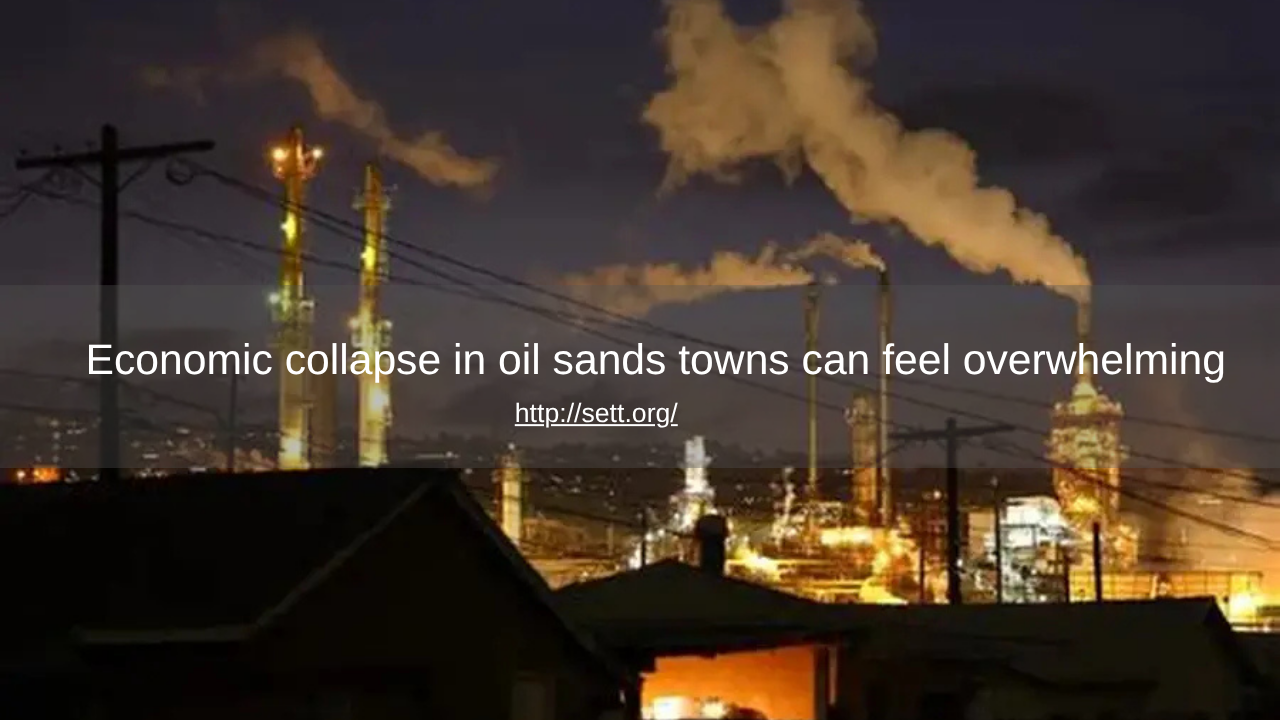
Economic collapse in oil sands towns can feel overwhelming. For workers accustomed to long shifts and high wages, the sudden loss of income can trigger feelings of hopelessness and fear. These emotional responses are natural, but without support, they can lead to mental health challenges such as depression, anxiety, and addiction.

Residents often describe the isolation and stress of a downturn as one of the hardest aspects to manage. With friends and family also under pressure, it can be difficult to find a safe space to process feelings. This is where community connection becomes essential.


The Role of Faith in Healing

Finding Strength Through Spiritual Guidance

Faith provides a foundation that many individuals rely on during challenging times. Spiritual practices can offer comfort, purpose, and perspective, helping people navigate the uncertainty of post-bust life. Faith-based recovery programs, like those offered at SETT, integrate spiritual reflection with practical mental health and addiction treatment, allowing participants to address their struggles holistically.

Encouraging Hope and Purpose

Faith helps residents move beyond survival mode to focus on long-term growth and healing. Through prayer, reflection, and community worship, individuals can cultivate resilience, maintain hope, and find meaning in their personal recovery journey.


Building Community Connections

Peer Support and Shared Experiences

Community is a powerful tool for recovery. Peer support groups, mentorship programs, and family-focused initiatives create spaces where people feel understood and supported. Sharing experiences helps reduce stigma, encourages accountability, and fosters a sense of belonging.

Strengthening Families and Neighborhoods

Recovery extends beyond the individual. When families and neighbors come together, they provide the emotional scaffolding that allows everyone to heal. Activities such as group workshops, community events, and volunteer projects strengthen social bonds and help residents regain confidence and purpose.


Integrating Holistic and Professional Care

While faith and community provide emotional and spiritual support, professional guidance ensures that recovery is sustainable. SETT offers inpatient and outpatient programs designed to meet individual needs, integrating mental health counseling, addiction recovery strategies, and holistic approaches. Participants learn practical coping skills, develop emotional resilience, and cultivate habits that support long-term wellness.

Holistic care addresses mind, body, and spirit, promoting balance and well-being in every aspect of life. Personalized treatment plans ensure that each resident receives care tailored to their unique challenges and goals.


Moving Forward with Resilience

Post-bust healing is a journey, but it is one that can be navigated successfully with the right support. Faith, community, and professional care work together to provide a foundation for recovery, helping individuals and families rebuild their lives with strength and hope.

Take the First Step Today

If you or a loved one are struggling with addiction, mental health challenges, or the emotional impact of economic uncertainty, help is available. At SETT, compassionate, client-centered care integrates faith-based guidance, holistic treatment, and professional support to help you reclaim stability and purpose.

Reach out today at http://sett.org/ and begin the journey toward resilience, healing, and a brighter future.

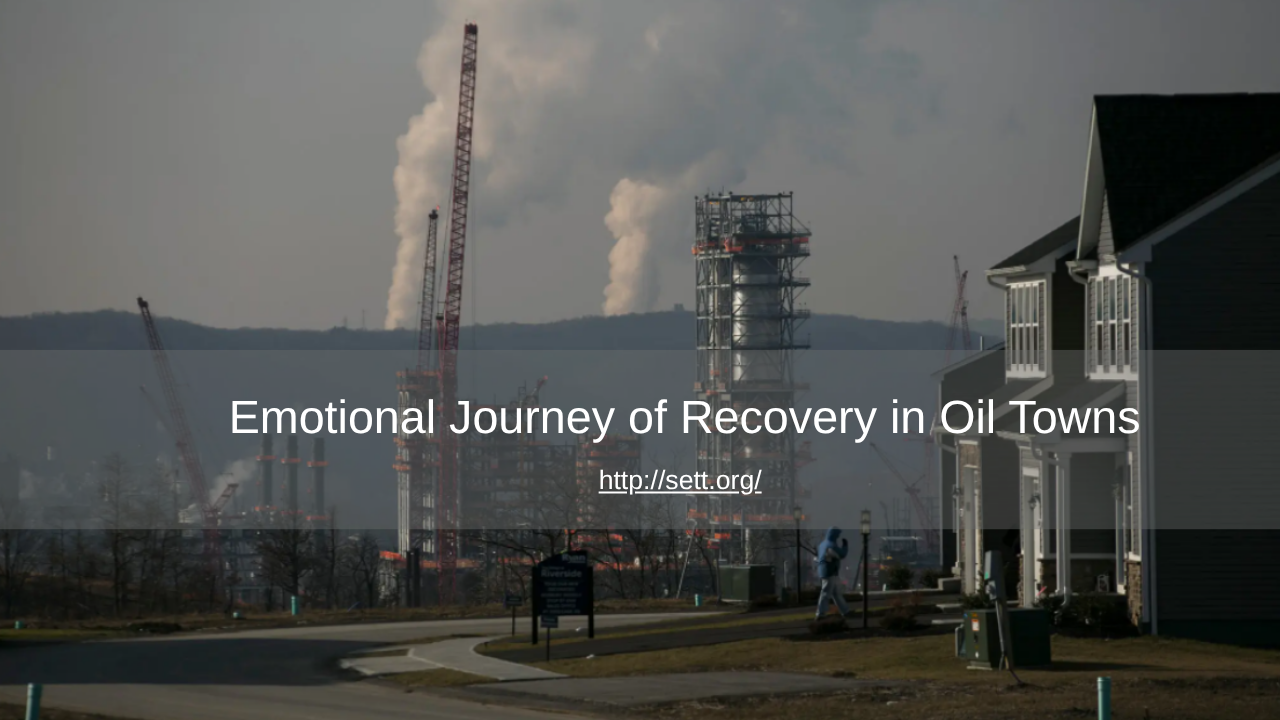
From Collapse to Comeback: The Emotional Journey of Recovery in Oil Towns

When an oil town faces a downturn, the impact runs far deeper than job losses and closed worksites. The collapse of an industry can shake entire communities to their core, leaving workers and families struggling to find balance, purpose, and hope. Much like the personal journey of addiction recovery, rebuilding after such loss takes time, support, and faith. It is not only about economic recovery but also emotional healing and rediscovering resilience from within.


The Emotional Toll of a Bust

The oil sands industry has long been a symbol of prosperity and opportunity. Yet when prices fall and operations slow, communities that once thrived face emotional and financial hardship. Families that built their lives around the promise of stability suddenly find themselves navigating stress, uncertainty, and fear of the future.

For many, the loss of steady work can mirror the feelings that accompany addiction recovery: guilt, shame, and loss of control. Without a sense of purpose or routine, people may struggle with depression, anxiety, or substance use as a way to cope. The emotional weight can feel overwhelming, especially when isolation and stigma keep individuals from reaching out for help.

This is where community support and compassionate care become essential. Healing begins when people feel safe to share their struggles and know they are not alone.


Finding Strength Through Support and Faith

Just as recovery from addiction requires guidance, rebuilding after economic collapse calls for connection and trust. Organizations like SETT provide not only professional care but also a foundation of faith and holistic healing that nurtures both mind and spirit.

Through individualized inpatient and outpatient programs, people can begin to process their experiences and rebuild emotional stability. Therapy, peer support, and spiritual guidance help individuals understand that recovery is not about forgetting the past but learning from it. The same values that help someone overcome addiction—honesty, accountability, and perseverance—are the same qualities that allow communities to rise again after hardship.

When people come together with shared purpose and compassion, transformation begins to happen. Healing spreads from individuals to families, and from families to entire towns.


Rediscovering Purpose and Building a New Future

Economic recovery is not the only kind of comeback oil towns need. Emotional and spiritual renewal are just as important. Workers and families who have weathered years of uncertainty often emerge stronger when they learn to focus on meaning beyond material success.

Many discover new paths through education, volunteering, or helping others who are struggling. Others turn to faith-based practices or mindfulness to stay grounded. By embracing holistic healing—addressing the physical, emotional, and spiritual needs of every person—communities can build a more balanced and sustainable future.

At SETT, this philosophy is central to recovery. The journey is not about simply returning to where you were before the collapse. It is about creating something better: a life guided by peace, self-awareness, and purpose.


A Call to Rebuild with Hope

The road from collapse to comeback is not easy, but it is possible. Every setback carries within it the opportunity for growth and renewal. Just as individuals in addiction recovery learn to rebuild their lives with patience and grace, oil towns can also find strength in unity, faith, and perseverance.

If you or someone you know is struggling with the emotional toll of change, loss, or addiction, know that help is within reach. SETT offers compassionate, holistic care designed to guide individuals through every step of the healing journey.

Visit http://sett.org/ today to learn more about how you can begin rebuilding your life with hope, strength, and support. Recovery—both personal and communal—always begins with the courage to reach out.

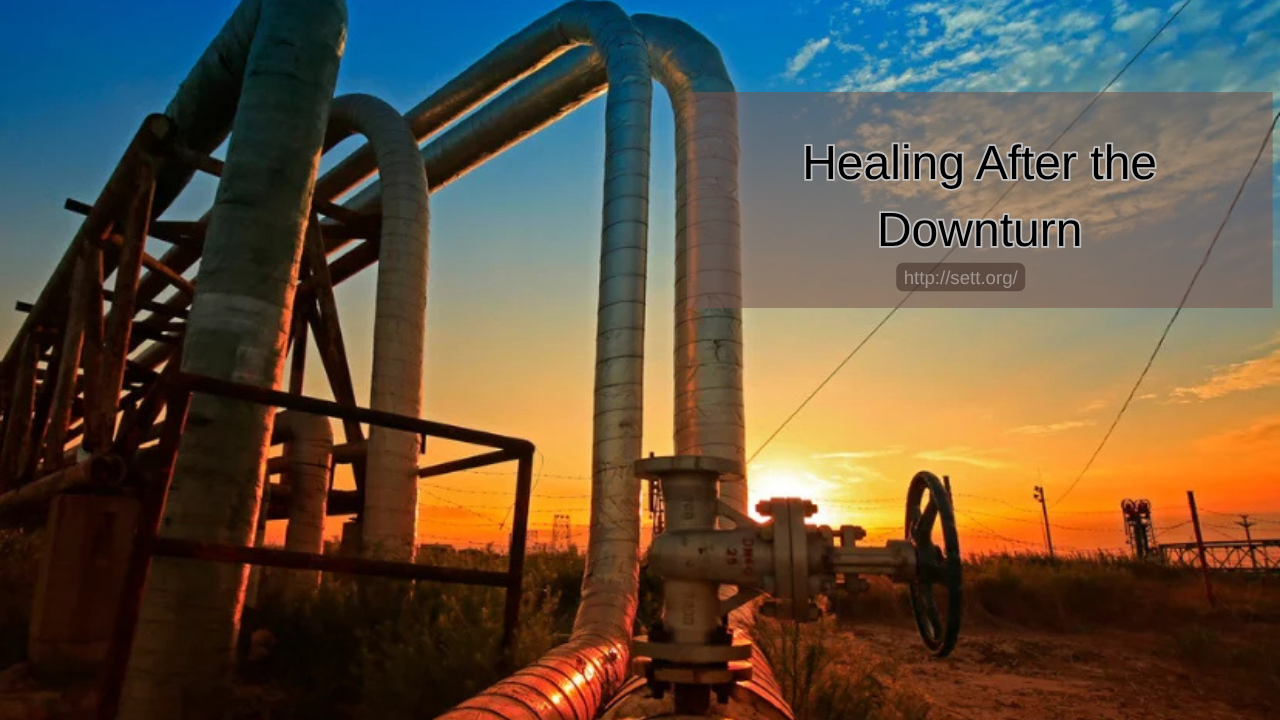
Healing After the Downturn: How Oil Sands Communities Rebuild Lives and Hope

When an oil sands boom ends, the impact ripples far beyond the job market. Families face uncertainty, mental health struggles increase, and communities that once thrived on steady work and high wages must learn to rebuild from the inside out. The end of economic prosperity often brings emotional and spiritual challenges that mirror the struggles many individuals face in recovery. But just as people can heal from addiction and loss, towns can also recover by focusing on connection, resilience, and renewal.


The Human Cost of Economic Decline

When the oil slows, life in oil sands towns changes overnight. Work camps that once bustled with energy become quiet. Local businesses close, and once-secure workers find themselves questioning their purpose. These shifts take a toll on mental health. Anxiety, depression, and addiction can surface when people lose not just their income but their sense of identity.

For many, the transition feels like withdrawal from a way of life. The stress of financial instability can strain relationships and erode self-worth. Without the structure of steady work, people may turn to substances or unhealthy habits to cope. Acknowledging this emotional weight is the first step toward healing, both individually and as a community.


Finding Stability Through Connection and Support

Recovery—whether from addiction, trauma, or economic loss—always begins with connection. Oil sands communities that thrive after a downturn often do so by leaning on one another. Faith groups, mental health professionals, and recovery centers like SETT provide safe spaces for people to process pain and rediscover hope.

At SETT, healing is approached holistically. This means addressing not only the physical effects of addiction or stress but also the mental, emotional, and spiritual aspects of a person’s life. Through inpatient and outpatient programs, individuals learn coping strategies, rebuild confidence, and reconnect with their values. Communities benefit when individuals regain strength, because recovery spreads outward—it inspires families, neighborhoods, and entire towns to heal together.


Rediscovering Purpose and Building Resilience

After the bust, new beginnings often come from unexpected places. Many workers use this time to retrain, start small businesses, or pursue education. Others find fulfillment in service, mentoring, or faith-based outreach. Resilience grows when people recognize that their value is not tied solely to their occupation.

Healing also requires mental health awareness. It’s vital to replace silence and stigma with open conversations about stress, depression, and substance use. When communities normalize seeking help, they create stronger foundations for the future. Recovery centers play an important role in this transformation, helping people develop practical tools to manage uncertainty and embrace new directions in life.


Hope for the Future

Economic downturns are painful, but they also offer a chance to rebuild with purpose. Oil sands towns that focus on community wellness, mental health, and compassion often emerge stronger than before. Healing takes time, patience, and faith—but it is possible.

If you or someone you know is struggling with the emotional or mental effects of uncertainty, help is available. SETT provides comprehensive addiction recovery and mental health treatment programs designed to meet each person where they are and guide them toward lasting change.

Reach out today to learn how you can begin your own journey of healing and renewal. Even after the hardest seasons, hope remains—and recovery is possible for both individuals and communities.

Gold Rush or Ghost Town? The Fragile Economy of Oil Sands Communities

In oil sands communities, prosperity can rise and fall overnight. When the industry is thriving, paychecks are strong, families are secure, and towns feel alive with possibility. But when the boom slows or prices crash, those same communities can quickly face layoffs, shuttered businesses, and uncertainty about the future. This economic volatility creates more than financial strain—it affects the emotional, mental, and spiritual health of the people who call these towns home.

The oil sands economy has always been a double-edged sword. While it provides opportunity and progress, it also brings instability that can lead to stress, anxiety, addiction, and broken relationships. Recognizing this cycle and building resilience through mental health and recovery support is essential to creating a more sustainable future for both individuals and communities.


The Emotional Toll of Economic Instability

The highs and lows of the oil sands industry ripple far beyond bank accounts. During boom periods, workers often endure long hours, separation from family, and physical exhaustion. During downturns, those same individuals can face unemployment, identity loss, and uncertainty about their next step.

These pressures can manifest as anxiety, depression, or even substance use as individuals try to cope with overwhelming stress. When economic uncertainty collides with isolation and fatigue, it can become a breeding ground for addiction and emotional burnout. This is where strong community support and accessible mental health resources become vital.


The Hidden Struggles Behind the Paycheck

Stress and the Need for Stability

Financial security is a powerful motivator, but when it comes with emotional cost, it can take a serious toll. Workers in the oil sands often suppress feelings of loneliness or stress to maintain a tough exterior. Over time, this can lead to unhealthy coping mechanisms or disconnection from family and faith.

Addiction as a Coping Response

Addiction rarely begins as a choice—it often starts as a means of survival. Whether it’s alcohol, prescription medication, or other substances, the need to numb emotional pain can become a dangerous cycle. Breaking that cycle requires compassion, understanding, and professional care that treats the whole person, not just the addiction.

Holistic, faith-based treatment can help individuals find peace and purpose beyond their work environment. By integrating mental, physical, and spiritual healing, recovery becomes not just a process but a transformation.


Building Strength and Resilience in Uncertain Times

Investing in Mental Health and Recovery

Oil sands towns can build stronger foundations by prioritizing access to counseling, therapy, and recovery programs. These services help individuals manage stress, strengthen relationships, and rediscover personal purpose. When mental health care is seen as an essential part of community wellness, the entire town becomes more resilient.

Creating a Supportive Community

Recovery thrives in connection. Peer groups, family programs, and faith-centered communities play a vital role in supporting long-term healing. By coming together to share experiences and lift each other up, individuals discover they are not defined by their industry’s ups and downs—but by their courage to heal and grow.

Preparing for the Future

True sustainability means preparing emotionally as well as economically. By promoting education, skill development, and proactive wellness programs, oil towns can help residents adapt to change while maintaining balance in their lives.


Finding Hope Beyond the Cycle

Every boom and bust carries both challenge and opportunity. While the oil sands economy may always be unpredictable, individuals and families can create stability by focusing on what they can control—their mental health, recovery, and relationships. Healing begins when we choose to seek help and rediscover the deeper strength that comes from within.

Take the Next Step Toward Healing

If you or someone you love is struggling with the emotional or mental toll of economic uncertainty, support is available. At [http://sett.org/], we offer compassionate, personalized care through inpatient and outpatient programs designed to promote lasting recovery and holistic healing. Our faith-based and individualized approaches empower you to move forward with clarity, confidence, and hope.

Reach out today to take the first step toward renewal. A stronger, healthier future is possible—one grounded not in the boom or bust of the economy, but in the steady resilience of the human spirit.

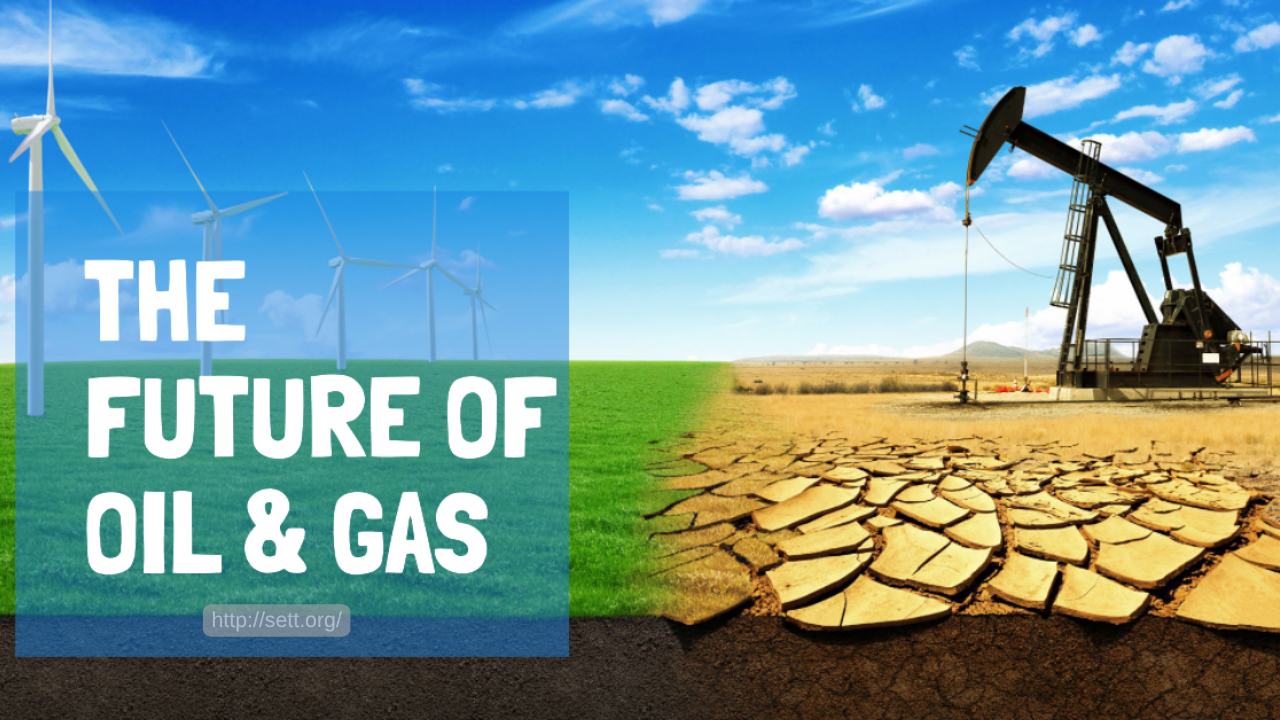
Beyond the Boom: Preparing for a Sustainable Future in Oil Towns

For decades, oil towns have lived in cycles of prosperity and hardship. When prices rise, jobs multiply and local businesses thrive. When the market drops, uncertainty sets in, leaving workers and families struggling to regain stability. Beyond the economic highs and lows, there lies a deeper question: how can oil towns build a future that supports not only financial sustainability but also the mental and emotional well-being of their residents?

Preparing for a sustainable future means more than economic diversification. It also means investing in people—supporting mental health, providing addiction recovery resources, and fostering communities built on resilience and hope.

The Emotional Impact of Economic Fluctuation

When oil prices collapse, the effects ripple across every aspect of life. Workers face layoffs, families face financial stress, and the community’s energy can shift from confidence to fear. This emotional strain can lead to increased anxiety, depression, and in many cases, substance use as a way to cope with uncertainty.

Mental health support and addiction recovery programs are critical during these transitions. They provide the tools individuals need to process change, manage stress, and rebuild from a place of strength rather than fear.

Building Personal and Community Resilience

Strengthening Mental Health Resources

A sustainable oil town is one that invests in its people’s mental health. Access to counseling, therapy, and support groups helps residents manage the stress that comes with unpredictable employment. By normalizing open conversations about mental health, communities can reduce stigma and encourage healing.

Supporting Recovery and Wellness

Addiction can thrive in environments where stress and uncertainty are constant. Recovery programs—both inpatient and outpatient—offer a structured path toward healing. These programs provide not just sobriety, but also personal growth, life skills, and community connection.

Holistic and faith-based treatment approaches help individuals align mind, body, and spirit, creating deeper, more lasting recovery. When individuals heal, families strengthen, and communities become more resilient in the face of change.

Fostering Connection and Purpose

When work becomes uncertain, community connection becomes essential. Peer support, volunteer initiatives, and mentorship programs give residents a renewed sense of purpose. These connections foster belonging and reduce the isolation that often accompanies economic downturns.

Creating a Balanced Future

Diversifying Skills and Opportunities

Preparing for a sustainable future also means equipping residents with tools beyond the oil industry. Job training, education, and entrepreneurship opportunities help individuals and families find stability even when markets shift. Personal growth and professional development build confidence and open doors to new paths.

Prioritizing Wellness and Prevention

A sustainable community does not only react to challenges—it anticipates them. Integrating wellness programs, stress management workshops, and family counseling helps prevent mental health and addiction issues before they escalate. This proactive approach promotes a culture of balance and well-being.

Hope Beyond the Boom

While economic uncertainty will always be part of life in oil towns, the strength of these communities lies in their ability to adapt and grow. Sustainability is not just about keeping the economy running—it is about nurturing the human spirit through compassion, connection, and care.

Take the Next Step Toward Healing

If you or someone you love is struggling with the emotional or mental toll of change, help is available. At [http://sett.org/], we provide compassionate, personalized care through inpatient and outpatient programs designed to support holistic healing. Our faith-based and individualized approaches meet you where you are and guide you toward lasting recovery and resilience. Reach out today to begin building a sustainable, healthier future—one rooted in strength and hope.