After the Boom Ends: Supporting Mental Health in Transitioning Oil Communities

When the oil boom comes to an end, the effects are felt far beyond empty job postings and closed worksites. Communities that once thrived on high employment and economic growth suddenly face uncertainty, stress, and upheaval. For individuals living and working in these regions, the transition can take a serious toll on mental health. Anxiety, depression, and substance use often increase when routines, purpose, and financial stability are disrupted. Supporting mental health in transitioning oil communities is not just a necessity—it is an investment in the resilience and well-being of entire families.


Understanding the Mental Health Challenges

Economic downturns in oil towns bring more than financial concerns. For many, their identity is closely tied to their work. When jobs are lost, individuals can experience feelings of grief, shame, and a loss of purpose. Families often face increased tension as stress levels rise, and the ripple effects of uncertainty can affect children and relationships.

The Invisible Strain

Mental health challenges often go unnoticed until they become severe. Sleep disturbances, irritability, mood swings, and social withdrawal are common early signs. Some individuals may turn to alcohol or drugs to manage stress, creating patterns of addiction that compound existing difficulties. Recognizing these signs early and providing accessible support is critical for long-term recovery and community well-being.


The Role of Compassionate, Holistic Care

Integrated Approaches to Healing

Addressing mental health effectively requires a holistic and individualized approach. SETT combines professional counseling, faith-based support, and evidence-based addiction recovery services to treat the whole person. This approach acknowledges the emotional, spiritual, and physical dimensions of mental health, providing a foundation for lasting recovery.

Inpatient and Outpatient Support

Inpatient programs offer structured care for individuals who need stability and intensive guidance. Outpatient programs provide flexibility, allowing residents to maintain family, work, and community responsibilities while receiving ongoing treatment. Both approaches emphasize skill-building, coping strategies, and personal growth.


Strengthening Community Connections

Peer Support and Shared Experience

Recovery and mental health improvement thrive in connection. Peer groups, mentorship programs, and family counseling create safe spaces where individuals can share experiences, learn coping strategies, and build supportive networks. Feeling understood and valued is a critical step in reducing stigma and promoting emotional resilience.

Family-Centered Healing

The emotional strain of a transitioning oil community affects entire households. Families benefit from counseling and support programs that help rebuild communication, trust, and stability. Strengthening family bonds not only aids individual recovery but also creates a healthier, more resilient community.


Practical Strategies for Resilience

Developing Healthy Coping Mechanisms

Transitioning communities require new ways to handle stress. Therapy and holistic treatment provide tools for emotional regulation, problem-solving, and stress management. Faith-based support can also foster hope and provide a framework for understanding personal challenges.

Planning for the Future

Recovery is strengthened when individuals find purpose beyond their former roles. Education, volunteer opportunities, and community involvement help residents build new identities and regain a sense of control over their lives. These steps transform uncertainty into an opportunity for growth and personal fulfillment.


Supporting Healing, One Step at a Time

The end of an oil boom is challenging, but it also presents an opportunity to prioritize mental health and build resilience. Communities can recover when individuals receive compassionate, holistic support that addresses the full spectrum of their needs.

If you or someone you love is struggling with mental health challenges, addiction, or the emotional impact of economic change, help is available. SETT offers personalized, faith-based, and holistic programs designed to guide individuals toward lasting recovery and emotional well-being.

Take the first step today by visiting www.sett.org. Recovery is possible, and a healthier, more resilient future can begin now.

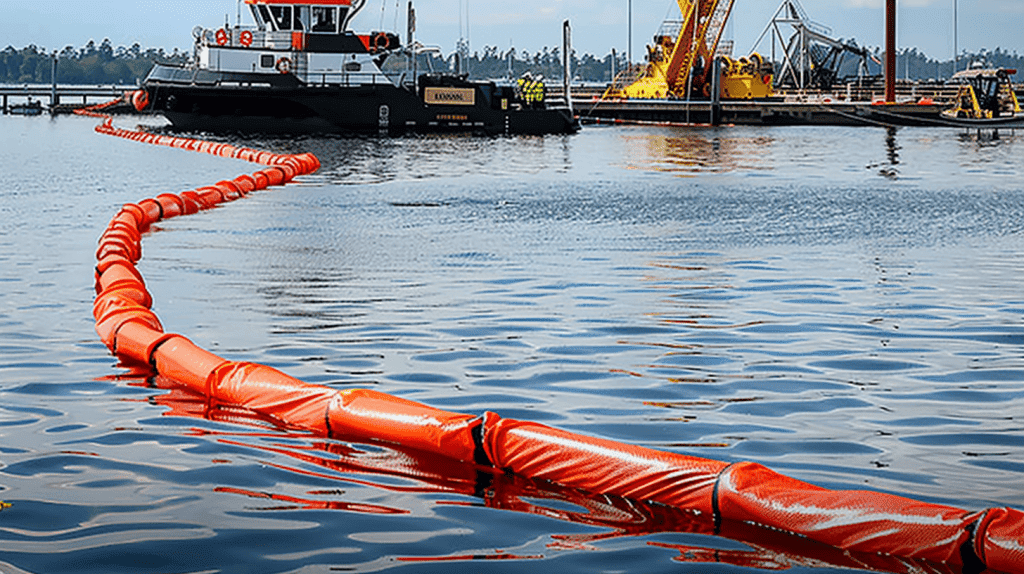
More Than an Economy: Rebuilding Hearts and Homes After the Oil Sands Crash

When the oil sands economy crashes, the damage reaches far beyond lost paychecks and closed job sites. Families feel the pressure, relationships feel the strain, and individuals often carry the emotional weight in silence. In many oil sands communities, the sudden shift from security to uncertainty creates an environment where stress, anxiety, depression, and substance use can quietly take hold. True recovery after an economic collapse is about more than rebuilding financial stability. It is about healing hearts, restoring hope, and rebuilding homes from the inside out.

The Hidden Emotional Toll of Economic Collapse

Job loss brings more than practical challenges. It brings grief over lost identity, fear about the future, and shame that many people do not know how to express. When someone has spent years defining their value through hard work and long hours, a sudden stop can feel like the ground has been pulled away.

How Stress and Trauma Show Up in Daily Life

Emotional stress often appears in subtle ways. Sleep may suffer. Irritability can increase. Motivation drops. Some individuals withdraw from loved ones because they feel overwhelmed or embarrassed. Others try to numb their pain through alcohol or drugs. These are not personal failures. They are common human responses to prolonged pressure and loss.

At this stage, mental health support and addiction recovery services become essential. Early intervention creates a safer path forward and prevents deeper crises from developing.

Addiction and Mental Health in Oil Sands Communities

Why High Stress Environments Increase Risk

High income and high pressure industries often come with a culture of pushing through pain and avoiding vulnerability. When the work disappears, the coping strategies many people rely on disappear with it. Without structure, unhealthy habits can grow quickly.

Substance use may start as a way to cope with insomnia or anxiety. Over time, it can become dependency. Anxiety can deepen into depression. Without professional support, these patterns become harder to break.

Healing the Whole Person Through Holistic Care

Recovery is most effective when the whole person is treated, not just the symptoms. Holistic, faith based, and individualized care helps people reconnect with their values, beliefs, and purpose. This approach addresses emotional health, physical well being, and spiritual strength. It also respects each individual story.

Inpatient and outpatient programs provide flexible levels of care. Structured environments offer safety and accountability. Outpatient care allows individuals to maintain family and community responsibilities while continuing treatment.

Rebuilding Homes Through Healthy Relationships

Restoring Trust Within Families

Economic stress and addiction place enormous strain on family systems. Communication often breaks down. Trust can be damaged. Children and partners may feel fear, confusion, or isolation.

Family focused counseling helps rebuild those connections. By creating safe spaces for honest conversations, families can transition from blame and silence to understanding and shared healing.

Creating Stability Through Routine and Support

Stability is built through healthy daily structure. Simple habits like consistent sleep, nutritious meals, regular therapy sessions, and spiritual practices restore a sense of control. Support groups and peer communities offer encouragement and accountability that no one should have to face alone.

SETT supports individuals and families through compassionate, structured care that meets them where they are, not where they think they should be.

Practical Steps Toward Healing and Stability

Learning New Coping Skills

Recovery is not just about removing a substance. It is about replacing old habits with healthy ones. Therapy teaches real life skills like emotional regulation, stress management, and conflict resolution. These skills remain valuable long after economic conditions change.

Building a Future Beyond the Industry

Many individuals discover new purpose through education, volunteer work, ministry, creative outlets, and new career paths. With the right guidance, an industry downturn can become a turning point instead of an ending.

A New Beginning Is Possible

The oil sands crash can feel like the end of a chapter that defined your life. But it does not have to define your future. Healing is possible. Homes can be rebuilt. Hearts can be restored. Hope can be found again.

If you or someone you love is struggling with addiction, mental health challenges, or emotional pain related to economic stress, reach out to SETT today. Personalized, compassionate care is available, and you do not have to walk this journey alone.

Visit www.sett.org to take the first step toward healing, stability, and lasting recovery.


When the Jobs Fade: Finding Purpose and Stability After the Oil Boom

When an oil boom slows and the job market begins to shrink, the impact on individuals and families can feel immediate and overwhelming. Many residents in oil sands communities have built their lives around demanding work schedules, long rotations, and strong incomes. When that stability begins to fade, the shift can bring uncertainty, emotional strain, and increased vulnerability to addiction and mental health challenges. Yet even in these difficult moments, healing and renewed purpose are possible with the right support, the right tools, and a community that cares.


Understanding the Emotional Impact of a Changing Industry

The decline of job opportunities in oil towns affects far more than a paycheck. The loss of structure, identity, and routine can leave individuals feeling ungrounded and unsure of their next steps. Workers who once found purpose through their trade may struggle to imagine a future outside the industry. These emotional shifts often create stress, anxiety, frustration, and even grief.

When Stress Turns Into Something More

During a downturn, many people experience increased pressure to support their families or maintain their previous standard of living. As stress accumulates, some turn to substances to cope, a pattern that can quickly become difficult to control. Without support, temporary coping can become addiction, and emotional strain can develop into more serious mental health concerns.


Rediscovering Purpose During Transition

Creating Space for Self Reflection

When the familiar routines of the oil sands fade, it becomes important to step back and reflect on personal values, strengths, and long term goals. This shift can be uncomfortable, but it often becomes the first step toward building a life that supports emotional well being and long term stability.

Through counseling and individualized support at SETT, individuals can explore their identity beyond their job title. This process allows them to reconnect with their personal goals, discover new passions, and recognize their inherent worth.

Building New Skills and Mindsets

Recovery and emotional stability often require developing new coping strategies. Holistic care, including faith based guidance, mindfulness practices, and professional mental health treatment, helps individuals build resilience. These tools support better decision making, healthier habits, and a renewed sense of confidence, even during economic uncertainty.


Strengthening Community Support

Finding Connection in Shared Experience

One of the greatest protective factors during economic downturns is community. When individuals connect with others who understand the challenges of job loss, isolation, and stress, they feel less alone. Peer groups, family support systems, and spiritual communities provide encouragement and accountability.

Family Healing and Stability

Families often experience their own version of the downturn. Roles shift, stress increases, and communication can become strained. SETT offers support that includes family members, helping households rebuild trust, stability, and healthy communication patterns. This collaborative healing strengthens the entire community.


Professional Care for Long Term Healing

Holistic and individualized treatment is essential for those dealing with addiction, anxiety, depression, or emotional instability after job loss. SETT provides a compassionate blend of inpatient and outpatient services that address the whole person. Care plans are tailored to each individual, integrating therapy, faith based practices, and wellness strategies that nurture physical, emotional, and spiritual health.

This approach not only supports recovery but empowers individuals to move forward with clarity and renewed purpose.


Moving Toward a Brighter Future

Economic shifts can feel unpredictable, but healing and growth remain possible regardless of external change. When individuals find stability within themselves through recovery, connection, and faith, they become better equipped to navigate whatever lies ahead.

Take the First Step Today

If you or someone you care about is struggling with addiction, stress, or emotional challenges due to the changing oil sands economy, help is within reach. SETT provides compassionate, personalized care that supports every step of the healing journey.

Visit www.sett.org to connect with a team dedicated to helping you find purpose, stability, and renewed hope.