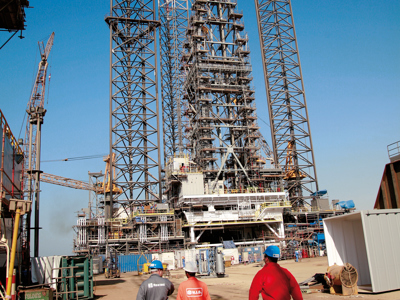
Working in the oil sands brings real opportunity, stability, and purpose, but it also comes with significant pressure. Long shifts, demanding physical labor, remote locations, and time away from family can take a toll on mental health over time. For many workers and their loved ones, this pressure can lead to stress, emotional exhaustion, and sometimes substance use as a way to cope. At SETT, we understand these challenges deeply. Through compassionate addiction recovery services, mental health treatment, and individualized care, we support oil sands workers and families in finding balance, stability, and long term wellness.
Understanding Work Pressure in Oil Sands Life
Work in the oil sands is intense by nature. The schedule alone can disrupt sleep patterns, relationships, and emotional balance. Many workers spend weeks away from home, then return to family life while still recovering from physical fatigue. This cycle can make it difficult to maintain consistency in mental health routines.
Families also feel the impact. Partners and children often manage long periods of separation, uncertainty, and emotional strain. Over time, these pressures can create communication challenges, emotional distance, and increased stress within the household.
How Pressure Can Lead to Mental Health Struggles
When stress becomes chronic, it can affect mood, focus, and emotional regulation. Common experiences include anxiety, irritability, low energy, and feelings of disconnection. Some individuals may turn to alcohol or other substances to unwind or cope with emotional overload.
At SETT, we provide addiction recovery and mental health treatment that focuses on both the symptoms and underlying causes of stress. By addressing emotional triggers early, individuals can prevent long term harm and begin building healthier coping strategies.
Practical Tools for Managing Stress and Mental Wellness
While professional support is essential for many individuals, daily habits and personal strategies also play a powerful role in maintaining mental health. These tools can help workers and families create balance even in demanding environments.
Build Consistent Routines
Structure helps reduce stress and creates a sense of stability. Simple routines such as regular sleep schedules, planned meals, and set times for rest can improve both physical and emotional well-being. Even small consistencies can make a meaningful difference during unpredictable work cycles.
Strengthen Communication at Home
Open and honest communication helps reduce misunderstandings and emotional distance. Families benefit from regular check-ins, whether through phone calls, video chats, or shared routines when together. These conversations help maintain connection and emotional support across long distances.
SETT also offers family-focused counseling to help improve communication patterns and rebuild trust when relationships have been strained by stress or substance use.
Use Healthy Coping Strategies
Healthy coping tools can help manage pressure before it becomes overwhelming. Exercise, journaling, mindfulness, and time outdoors are effective ways to release stress. Faith-based practices can also provide comfort and grounding for those who value spiritual support.
At SETT, clients are encouraged to explore coping strategies that align with their personal values and lifestyles. This individualized approach ensures that recovery feels practical and sustainable.
The Role of Professional Support in Recovery
When stress begins to impact daily life or substance use becomes a concern, professional care can make a life-changing difference. SETT offers both inpatient and outpatient programs designed to meet individuals where they are in their recovery journey.
Individualized Mental Health and Addiction Care
No two recovery journeys are the same. That is why SETT provides personalized treatment plans that address emotional health, behavioral patterns, and underlying challenges. Our approach integrates evidence-based therapy with holistic and faith-based options, allowing clients to heal in a way that feels complete and supportive.
Building Long Term Resilience
Recovery is not just about short term relief. It is about creating lasting stability. Through ongoing support, skill building, and emotional education, individuals learn how to manage pressure without returning to harmful coping mechanisms. Families also gain tools to support their loved one’s recovery while maintaining their own well-being.
Taking the First Step Toward Balance and Wellness
Balancing work pressure and mental wellness in the oil sands is challenging, but it is absolutely possible with the right support system. Whether you are struggling with stress, emotional fatigue, or substance use, you do not have to face it alone. SETT is here to provide compassionate, professional care that supports both individuals and families through every stage of recovery.
If you are ready to take the next step, reach out to SETT today. With personalized treatment, holistic care, and a strong focus on healing the whole person, a healthier and more balanced life is within reach.