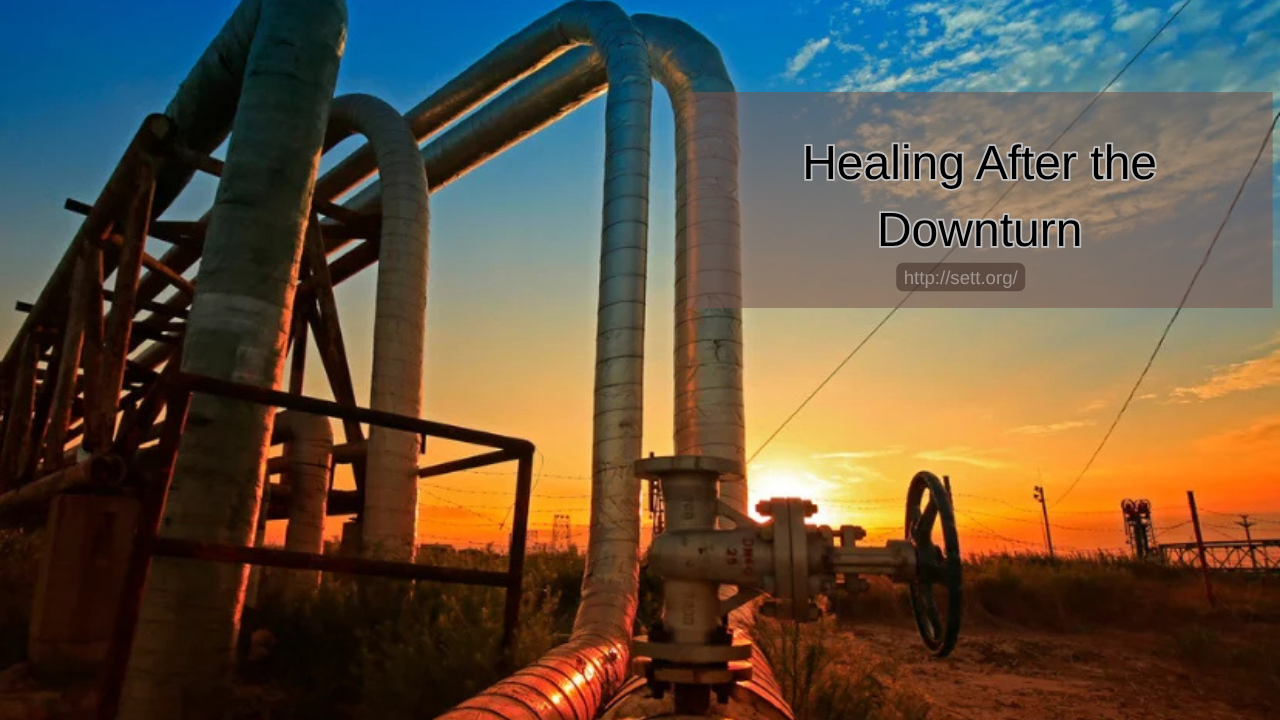
Healing After the Downturn: How Oil Sands Communities Rebuild Lives and Hope

When an oil sands boom ends, the impact ripples far beyond the job market. Families face uncertainty, mental health struggles increase, and communities that once thrived on steady work and high wages must learn to rebuild from the inside out. The end of economic prosperity often brings emotional and spiritual challenges that mirror the struggles many individuals face in recovery. But just as people can heal from addiction and loss, towns can also recover by focusing on connection, resilience, and renewal.


The Human Cost of Economic Decline

When the oil slows, life in oil sands towns changes overnight. Work camps that once bustled with energy become quiet. Local businesses close, and once-secure workers find themselves questioning their purpose. These shifts take a toll on mental health. Anxiety, depression, and addiction can surface when people lose not just their income but their sense of identity.

For many, the transition feels like withdrawal from a way of life. The stress of financial instability can strain relationships and erode self-worth. Without the structure of steady work, people may turn to substances or unhealthy habits to cope. Acknowledging this emotional weight is the first step toward healing, both individually and as a community.


Finding Stability Through Connection and Support

Recovery—whether from addiction, trauma, or economic loss—always begins with connection. Oil sands communities that thrive after a downturn often do so by leaning on one another. Faith groups, mental health professionals, and recovery centers like SETT provide safe spaces for people to process pain and rediscover hope.

At SETT, healing is approached holistically. This means addressing not only the physical effects of addiction or stress but also the mental, emotional, and spiritual aspects of a person’s life. Through inpatient and outpatient programs, individuals learn coping strategies, rebuild confidence, and reconnect with their values. Communities benefit when individuals regain strength, because recovery spreads outward—it inspires families, neighborhoods, and entire towns to heal together.


Rediscovering Purpose and Building Resilience

After the bust, new beginnings often come from unexpected places. Many workers use this time to retrain, start small businesses, or pursue education. Others find fulfillment in service, mentoring, or faith-based outreach. Resilience grows when people recognize that their value is not tied solely to their occupation.

Healing also requires mental health awareness. It’s vital to replace silence and stigma with open conversations about stress, depression, and substance use. When communities normalize seeking help, they create stronger foundations for the future. Recovery centers play an important role in this transformation, helping people develop practical tools to manage uncertainty and embrace new directions in life.


Hope for the Future

Economic downturns are painful, but they also offer a chance to rebuild with purpose. Oil sands towns that focus on community wellness, mental health, and compassion often emerge stronger than before. Healing takes time, patience, and faith—but it is possible.

If you or someone you know is struggling with the emotional or mental effects of uncertainty, help is available. SETT provides comprehensive addiction recovery and mental health treatment programs designed to meet each person where they are and guide them toward lasting change.

Reach out today to learn how you can begin your own journey of healing and renewal. Even after the hardest seasons, hope remains—and recovery is possible for both individuals and communities.

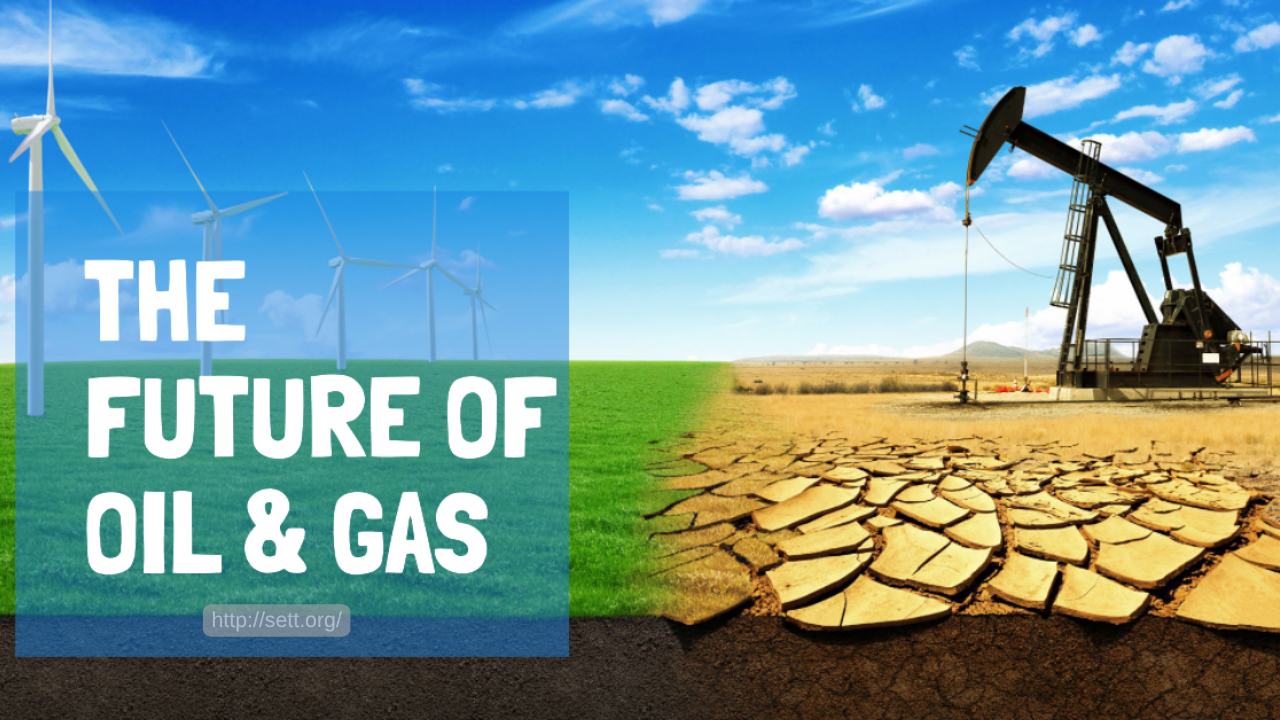
Gold Rush or Ghost Town? The Fragile Economy of Oil Sands Communities

In oil sands communities, prosperity can rise and fall overnight. When the industry is thriving, paychecks are strong, families are secure, and towns feel alive with possibility. But when the boom slows or prices crash, those same communities can quickly face layoffs, shuttered businesses, and uncertainty about the future. This economic volatility creates more than financial strain—it affects the emotional, mental, and spiritual health of the people who call these towns home.

The oil sands economy has always been a double-edged sword. While it provides opportunity and progress, it also brings instability that can lead to stress, anxiety, addiction, and broken relationships. Recognizing this cycle and building resilience through mental health and recovery support is essential to creating a more sustainable future for both individuals and communities.


The Emotional Toll of Economic Instability

The highs and lows of the oil sands industry ripple far beyond bank accounts. During boom periods, workers often endure long hours, separation from family, and physical exhaustion. During downturns, those same individuals can face unemployment, identity loss, and uncertainty about their next step.

These pressures can manifest as anxiety, depression, or even substance use as individuals try to cope with overwhelming stress. When economic uncertainty collides with isolation and fatigue, it can become a breeding ground for addiction and emotional burnout. This is where strong community support and accessible mental health resources become vital.


The Hidden Struggles Behind the Paycheck

Stress and the Need for Stability

Financial security is a powerful motivator, but when it comes with emotional cost, it can take a serious toll. Workers in the oil sands often suppress feelings of loneliness or stress to maintain a tough exterior. Over time, this can lead to unhealthy coping mechanisms or disconnection from family and faith.

Addiction as a Coping Response

Addiction rarely begins as a choice—it often starts as a means of survival. Whether it’s alcohol, prescription medication, or other substances, the need to numb emotional pain can become a dangerous cycle. Breaking that cycle requires compassion, understanding, and professional care that treats the whole person, not just the addiction.

Holistic, faith-based treatment can help individuals find peace and purpose beyond their work environment. By integrating mental, physical, and spiritual healing, recovery becomes not just a process but a transformation.


Building Strength and Resilience in Uncertain Times

Investing in Mental Health and Recovery

Oil sands towns can build stronger foundations by prioritizing access to counseling, therapy, and recovery programs. These services help individuals manage stress, strengthen relationships, and rediscover personal purpose. When mental health care is seen as an essential part of community wellness, the entire town becomes more resilient.

Creating a Supportive Community

Recovery thrives in connection. Peer groups, family programs, and faith-centered communities play a vital role in supporting long-term healing. By coming together to share experiences and lift each other up, individuals discover they are not defined by their industry’s ups and downs—but by their courage to heal and grow.

Preparing for the Future

True sustainability means preparing emotionally as well as economically. By promoting education, skill development, and proactive wellness programs, oil towns can help residents adapt to change while maintaining balance in their lives.


Finding Hope Beyond the Cycle

Every boom and bust carries both challenge and opportunity. While the oil sands economy may always be unpredictable, individuals and families can create stability by focusing on what they can control—their mental health, recovery, and relationships. Healing begins when we choose to seek help and rediscover the deeper strength that comes from within.

Take the Next Step Toward Healing

If you or someone you love is struggling with the emotional or mental toll of economic uncertainty, support is available. At [http://sett.org/], we offer compassionate, personalized care through inpatient and outpatient programs designed to promote lasting recovery and holistic healing. Our faith-based and individualized approaches empower you to move forward with clarity, confidence, and hope.

Reach out today to take the first step toward renewal. A stronger, healthier future is possible—one grounded not in the boom or bust of the economy, but in the steady resilience of the human spirit.


Beyond the Boom: Preparing for a Sustainable Future in Oil Towns

For decades, oil towns have lived in cycles of prosperity and hardship. When prices rise, jobs multiply and local businesses thrive. When the market drops, uncertainty sets in, leaving workers and families struggling to regain stability. Beyond the economic highs and lows, there lies a deeper question: how can oil towns build a future that supports not only financial sustainability but also the mental and emotional well-being of their residents?

Preparing for a sustainable future means more than economic diversification. It also means investing in people—supporting mental health, providing addiction recovery resources, and fostering communities built on resilience and hope.

The Emotional Impact of Economic Fluctuation

When oil prices collapse, the effects ripple across every aspect of life. Workers face layoffs, families face financial stress, and the community’s energy can shift from confidence to fear. This emotional strain can lead to increased anxiety, depression, and in many cases, substance use as a way to cope with uncertainty.

Mental health support and addiction recovery programs are critical during these transitions. They provide the tools individuals need to process change, manage stress, and rebuild from a place of strength rather than fear.

Building Personal and Community Resilience

Strengthening Mental Health Resources

A sustainable oil town is one that invests in its people’s mental health. Access to counseling, therapy, and support groups helps residents manage the stress that comes with unpredictable employment. By normalizing open conversations about mental health, communities can reduce stigma and encourage healing.

Supporting Recovery and Wellness

Addiction can thrive in environments where stress and uncertainty are constant. Recovery programs—both inpatient and outpatient—offer a structured path toward healing. These programs provide not just sobriety, but also personal growth, life skills, and community connection.

Holistic and faith-based treatment approaches help individuals align mind, body, and spirit, creating deeper, more lasting recovery. When individuals heal, families strengthen, and communities become more resilient in the face of change.

Fostering Connection and Purpose

When work becomes uncertain, community connection becomes essential. Peer support, volunteer initiatives, and mentorship programs give residents a renewed sense of purpose. These connections foster belonging and reduce the isolation that often accompanies economic downturns.

Creating a Balanced Future

Diversifying Skills and Opportunities

Preparing for a sustainable future also means equipping residents with tools beyond the oil industry. Job training, education, and entrepreneurship opportunities help individuals and families find stability even when markets shift. Personal growth and professional development build confidence and open doors to new paths.

Prioritizing Wellness and Prevention

A sustainable community does not only react to challenges—it anticipates them. Integrating wellness programs, stress management workshops, and family counseling helps prevent mental health and addiction issues before they escalate. This proactive approach promotes a culture of balance and well-being.

Hope Beyond the Boom

While economic uncertainty will always be part of life in oil towns, the strength of these communities lies in their ability to adapt and grow. Sustainability is not just about keeping the economy running—it is about nurturing the human spirit through compassion, connection, and care.

Take the Next Step Toward Healing

If you or someone you love is struggling with the emotional or mental toll of change, help is available. At [http://sett.org/], we provide compassionate, personalized care through inpatient and outpatient programs designed to support holistic healing. Our faith-based and individualized approaches meet you where you are and guide you toward lasting recovery and resilience. Reach out today to begin building a sustainable, healthier future—one rooted in strength and hope.