When the Oil Dries Up: Surviving the Bust in an Oil Sands Town

Life in an oil sands town can feel like riding an unpredictable wave. When oil prices are high, the town thrives with opportunities, full paychecks, and a sense of excitement about the future. But when the market collapses, layoffs and uncertainty set in, leaving many families struggling to make ends meet. For those already carrying the weight of addiction or mental health challenges, the emotional toll of a bust can be overwhelming. Yet, even in these difficult times, there is hope, healing, and a path forward.

The Emotional Impact of Economic Downturns

The collapse of an oil-driven economy affects more than bank accounts. It shakes people’s sense of identity, security, and purpose. Stress from financial strain often leads to sleepless nights, anxiety, and depression. For some, the temptation to use substances as a coping mechanism grows stronger.

When the oil dries up, the emotional aftershocks ripple through families and entire communities. Couples may face new conflicts. Parents may struggle to shield children from the stress. Workers who once took pride in providing for their families may feel shame or hopelessness. Recognizing these emotional pressures is the first step in addressing them with compassion and care.

Why Professional and Holistic Support Matters

Inpatient and Outpatient Care for Stability

During unstable times, structured recovery programs provide a safe anchor. Inpatient care offers a place of refuge and healing where individuals can step away from daily stress and focus on recovery. Outpatient care allows for flexibility, letting people access therapy and support while continuing to live at home and care for loved ones.

Addressing the Whole Person

Holistic and faith-based treatment goes beyond managing symptoms. By nurturing the mind, body, and spirit, individuals can rebuild resilience. Practices like mindfulness, physical wellness, spiritual reflection, and counseling work together to restore balance. This approach ensures people are not only surviving economic hardship but also learning how to thrive despite it.

Individualized Healing Paths

No two experiences of a downturn are the same. Personalized treatment plans honor each person’s background, strengths, and needs. Whether someone is battling addiction, trauma, or anxiety, individualized care provides the tools and strategies that fit their life and help them navigate the challenges of economic instability.

Practical Steps for Coping During a Bust

Stay Connected to Support

Isolation worsens stress. Reaching out to community groups, recovery meetings, and faith communities creates connection and reduces feelings of loneliness.

Prioritize Mental Health

Seeking counseling or therapy early can prevent emotional struggles from becoming crises. Mental health treatment is not a last resort—it is an essential tool for building stability.

Create Daily Routines

Predictable routines provide a sense of control. Small practices like journaling, exercise, or prayer offer grounding when the outside world feels uncertain.

Focus on Long-Term Resilience

Busts eventually pass. Investing in personal growth, building new skills, and leaning into recovery can prepare individuals for a stronger future, no matter what the economy looks like.

Finding Hope When Times Are Hard

The end of an oil boom does not have to mean the end of hope. With the right support—compassionate care, holistic healing, and personalized treatment—individuals and families can weather the bust and emerge stronger. Healing is possible, even in the hardest seasons of life.

Take the Next Step

If you or someone you love is struggling with addiction, mental health challenges, or the weight of economic stress, help is available. Reach out today to explore inpatient and outpatient care options designed to support your unique journey. You do not have to face this alone—healing and hope are within reach.


Boomtown Blues: How Economic Highs and Lows Shape Daily Life

Life in an oil sands town can feel like a roller coaster. The daily rhythm of hope and hardship hits just like the waves of an energy-driven economy. For individuals and families navigating addiction or mental health challenges, these economic fluctuations can deepen stress while creating urgency for healing. Addressing emotional wellbeing with heart, expertise, and a holistic approach is more important than ever.

The Emotional Weight of Boom and Bust Cycles

When oil sands communities are booming, the energy is contagious. Jobs pour in. Wages rise. Homes are built and dreams developed. For many, it feels like anything is possible. But fast forward to a downturn and everything changes. Inflation sets in. Layoffs occur. Housing markets slump. The emotional impact of uncertainty and loss becomes overwhelming—especially for those already vulnerable.

The stress of an economic bust can trigger or worsen mental health struggles. Feelings of anxiety, depression, or trauma may surface. Some people may lean on substances to numb emotional pain or to escape. Left unaddressed, this erosion of wellbeing impacts relationships, disrupts daily life, and can derail long-term recovery.

Why Compassionate, Professional Support Matters

Inpatient and Outpatient Care Offer Stability
Inpatient treatment provides structure, safety, and therapeutic intensity. It can be a refuge during unstable economic conditions. Outpatient programs, on the other hand, allow individuals to return home and apply coping skills in daily life. Knowing help is available—whether during boom or bust—can offer grounding.

Holistic and Faith-Based Models Empower Whole Person Recovery
A holistic approach treats more than symptoms. It emphasizes mind, body, and spirit. Practices like mindfulness, nutrition, exercise, creative expression, and spiritual reflection can build resilience. Faith-based care, provided with sensitivity and respect, offers further healing through meaning and community. These tools help individuals navigate the emotional turbulence of boomtown life with grace and purpose.

Individualized Paths Build Lasting Strength
No two recovery journeys look the same. Customized treatment plans honor personal history, values, and goals. In boomtown settings, where stressors escalate fast, this tailored approach ensures that individuals receive the right support—whether they need trauma therapy, relapse prevention, stress management, or spiritual grounding.

Daily Life Tips for Navigating Boomtown Stress

Build Predictable Self-Care Rituals

Regardless of how extreme the economic swings become, small daily habits offer stability. Journaling five minutes before bed. Walking in nature. Connecting with a peer or mentor. These simple rituals reinforce balance and purpose.

Reach Out Sooner, Not Later

Stress, job uncertainty, or financial strain can feel overwhelming. Early support through counseling, peer groups, or faith communities eases the burden. Services that provide inpatient and outpatient care can meet people exactly where they are.

Use Community Resources and Support Networks

Community centers, recovery groups, churches, and holistic care providers offer connection. Sharing experiences and coping strategies builds resilience and reduces isolation. During downturns, staying connected is part of staying well.

Invest in Personal Development

Low-income or career transitions can be a time to grow. Online courses, volunteer work, or spiritual reflection help individuals maintain momentum and purpose—even when the economic outlook seems dark.

Living with Hope, Skill, and Support

Boomtown life is unpredictable. One minute you are celebrating new contracts and opportunities. The next you are bracing for layoffs or market shifts. That instability can wear on anyone—especially those healing from addiction or managing mental health concerns.

Reliable, compassionate care—offering inpatient and outpatient options, holistic and faith-informed approaches, and individualized treatment—becomes a lifeline. When support meets the person, not just the symptoms, recovery becomes a source of strength, not a casualty of crisis.

Take the Next Step

If you or a loved one is seeking support in navigating emotional distress or addiction in an unpredictable environment, you do not have to face it alone. Reach out today to explore compassionate, personalized care. Healing starts with a single step. You are not just surviving boomtown life—you can thrive amid change.


Fortunes and Fallout: The Economic Rollercoaster of Oil Sands Towns

The oil sands of northern Alberta have long been a magnet for those chasing economic opportunity. In towns like Fort McMurray, the promise of well-paying jobs, rapid development, and thriving industries has created modern-day boomtowns. But prosperity in these communities often comes with a caveat: what goes up can quickly come down. The economic rollercoaster of oil sands towns is defined by cycles of fortunes gained—and fallout endured.

The Promise of Prosperity

During boom periods, oil sands towns pulse with energy and growth. High global oil prices drive expansion projects, creating a surge in demand for labor. Workers arrive in waves from across Canada and beyond, drawn by the chance to earn top-dollar wages in construction, maintenance, transportation, and extraction. Local businesses flourish, housing prices skyrocket, and governments collect healthy tax revenues to fund new infrastructure.

For many families, this is a life-changing opportunity. Mortgage approvals, vehicle upgrades, college savings, and entrepreneurial ventures become achievable goals. The oil sands represent not just a job, but a potential future—one paved with financial security and economic mobility.

The Reality of the Bust

But as history has shown, the good times can vanish overnight. When oil prices drop, so does the demand for labor and investment. Projects stall or are cancelled entirely. Layoffs ripple through the community, and once-busy streets become quiet. Businesses that once thrived during boom years shutter their doors. Suddenly, the same economic forces that created abundance bring uncertainty and hardship.

The fallout is not just financial. Families who stretched themselves to buy homes at peak prices may find themselves underwater. Unemployment leads to mental health struggles, family stress, and an exodus of workers seeking opportunities elsewhere. Entire neighborhoods built during periods of rapid growth sit partially empty during downturns, casting a shadow over once-hopeful towns.

Community Impact and Resilience

Oil sands towns are more than just economic hubs—they are home to diverse communities of people who are deeply affected by each twist and turn in the market. Schools, health services, and local programs must constantly adapt to population changes. During booms, these systems are stretched thin. During busts, they face budget cuts and reduced funding.

Despite these challenges, many towns have developed a deep resilience. Community leaders and residents have learned to prepare for the worst while making the most of the good times. Savings strategies, retraining programs, and long-term planning have become essential tools for weathering the cycle.

A Future Beyond the Cycle?

Today, the conversation in many oil sands towns is shifting. With global pressure to reduce carbon emissions and transition to cleaner energy, the long-term viability of oil sands development is being questioned. In response, some communities are investing in diversification—looking to industries like green energy, technology, and tourism to reduce dependence on oil.

Still, for now, the oil sands remain both a lifeline and a gamble. The economic rollercoaster continues, offering incredible highs—and sobering lows. For those who call these towns home, the challenge is finding balance between embracing the promise of prosperity and preparing for the inevitable bumps along the way.


Life on the Edge: Navigating Boom and Bust in Oil Sands Communities

Life in an oil sands community is often a balancing act between opportunity and uncertainty. Towns like Fort McMurray, Conklin, and Anzac have grown alongside Alberta’s oil sands industry, experiencing rapid expansion during booms and painful contractions during busts. For the people who call these places home, prosperity is closely tied to the price of oil—and navigating this volatile reality is part of daily life.

The Boom Years: Growth and Opportunity

When oil prices are high, oil sands towns flourish. Workers arrive from across Canada and beyond, eager to take advantage of high-paying jobs in the fields, mines, and processing plants. Local businesses thrive, real estate prices soar, and infrastructure rapidly expands to accommodate the growing population.

During these boom periods, life can feel optimistic. Families buy homes, invest in education, and enjoy the benefits of stable employment. Towns see new schools, recreation centers, and hospitals being built. The economy buzzes with activity, and for many, it feels like a chance to build a secure future.

The Bust: Sudden Downturns and Lasting Impact

However, the good times don’t always last. Global oil markets are notoriously unstable, and when prices fall, oil sands operations scale back production, lay off workers, and put projects on hold. What once seemed like a guaranteed career path can vanish almost overnight.

For communities, the bust brings harsh consequences. Small businesses close, housing markets collapse, and unemployment rises. Families that moved to the region for opportunity suddenly find themselves stranded, often saddled with debt or mortgages on homes worth less than they paid. Social services become strained as people deal with job loss, mental health challenges, and financial stress.

The 2014 oil crash and the COVID-19 pandemic both underscored just how fragile the boomtown economy can be. Residents describe these downturns as life-altering, forcing many to leave town in search of work elsewhere or transition into entirely new careers.

Community Resilience

Despite the hardships, oil sands communities are known for their resilience. Many residents have weathered multiple economic cycles and developed strategies to survive the ups and downs. Some choose to live modestly during booms, saving for the inevitable bust. Others seek out additional training to stay competitive or diversify their income streams.

Community leaders are also working toward economic diversification. Investments in education, tourism, environmental reclamation, and renewable energy projects are helping some towns reduce their reliance on oil and gas. Indigenous communities, in particular, are leading innovative projects that combine economic development with environmental stewardship.

Looking Ahead

Living in an oil sands town means living on the edge of economic change. For many, the rewards are worth the risks—but the challenges are real and ongoing. As global energy markets evolve and environmental concerns grow, these communities are looking for ways to build more sustainable, balanced futures.

The hope is to create towns that can thrive not just during the boom years, but through every cycle—places where families can build lasting lives without fearing the next bust.


The Price of Prosperity: Families, Fortunes, and the Future of the Oil Sands

For decades, the oil sands of Alberta have been a symbol of prosperity and opportunity. High wages, steady work, and booming development have drawn thousands of workers and their families to the region, all chasing the promise of a better life. But beneath the surface of economic gain lies a more complex story—one of personal sacrifice, family strain, and an uncertain future shaped by environmental and market pressures.

A Gateway to Wealth

The oil sands have offered some of the most lucrative jobs in Canada, particularly for blue-collar workers. Many arrive with the goal of making quick money—paying off debt, supporting their families, or saving for a home. For those with limited employment options in their home provinces, the oil sands represent a rare chance to achieve financial stability and upward mobility.

Fort McMurray and nearby towns have become economic hubs because of this influx of workers. Local businesses thrive, housing markets surge, and regional infrastructure expands during boom cycles. For a time, it can feel like everyone is winning.

The Hidden Costs

However, the path to prosperity often comes with personal and familial sacrifices. Most oil sands jobs involve rotational work—long shifts over two or more weeks, followed by a short period at home. These schedules, though efficient for operations, can create emotional and logistical strain for families.

Spouses take on the role of single parent while their partners are away. Children grow up accustomed to prolonged absences from one or both parents. Birthdays, holidays, and major milestones are often missed. Over time, this absence can weaken family bonds, leading to emotional distance, stress, and even relationship breakdowns.

For the workers themselves, isolation and fatigue are constant companions. Many experience mental health challenges such as anxiety, depression, and substance use, especially when combined with job-related stress and physical exhaustion.

Boom and Bust: A Risky Ride

The fortunes tied to the oil sands are also subject to the volatile global oil market. Communities that thrive during boom times often suffer during downturns. Job losses, declining property values, and reduced public services can leave families vulnerable. Entire towns built on oil money have had to weather financial storms that wipe out years of progress.

This unpredictability adds pressure for workers to “make it while they can,” often pushing them to accept difficult conditions or overextend themselves financially during prosperous times.

Looking to the Future

As environmental awareness grows and the global energy market shifts toward renewables, the future of the oil sands is increasingly uncertain. Many communities and workers are now exploring ways to diversify—through education, green technologies, and local entrepreneurship.

Oil companies, governments, and community leaders must work together to ensure that the prosperity created is not fleeting. That means investing in mental health, supporting families, training workers for new industries, and creating more stable, sustainable economic models.

Conclusion

The oil sands have undeniably brought fortune to many. But that prosperity has come with a price—paid in time, relationships, and emotional well-being. As the industry evolves, the challenge will be to create a future where success doesn’t demand such deep sacrifice—where families, fortunes, and the environment can thrive together.


Beyond the Rig: How Oil Sands Communities Are Shaping Their Future

For decades, oil sands operations have defined the economic and social landscape of northeastern Alberta. Towns like Fort McMurray, Conklin, and Anzac have grown around the booms and busts of the energy sector. But while rigs and camps dominate the headlines, there’s another story unfolding—one of resilience, innovation, and community spirit. Across the region, residents, leaders, and organizations are looking beyond oil and gas to build more sustainable and diversified futures.

Life Tied to Industry

The prosperity of oil sands communities has long been closely tied to the fortunes of the industry. When oil prices are high, jobs are plentiful and businesses thrive. But downturns bring layoffs, housing slumps, and uncertainty. This volatility has made it clear to many locals that depending solely on resource extraction is not sustainable in the long run.

Despite this, the pride in oil sands work remains strong. Generations have built good lives through industry jobs, and many are deeply connected to the land and the work. But there’s a growing awareness that prosperity must be balanced with planning and diversification.

Investing in Local Strengths

In response, communities are investing in local assets and human potential. Fort McMurray, the region’s largest hub, has expanded its post-secondary offerings at Keyano College to include training in renewable energy, trades, and entrepreneurship. Small business incubators, arts initiatives, and tourism promotion are also gaining momentum.

Indigenous communities, which have long been stewards of the land, are leading many of these efforts. First Nations and Métis groups are not only negotiating stronger environmental protections and economic agreements with industry, but also developing their own businesses in construction, reclamation, and clean energy. These ventures provide employment while keeping more wealth in the community.

Environmental Restoration and Innovation

As environmental concerns mount, some oil sands towns are positioning themselves at the forefront of restoration and innovation. Reclamation work—restoring land after industrial use—is creating new jobs and partnerships, especially between industry and Indigenous groups. Projects like replanting boreal forest or rehabilitating tailings ponds are not only environmentally necessary, but economically promising.

Communities are also exploring how to use oil sands expertise in new ways. Technologies developed for the harsh conditions of the north—like remote monitoring systems, water treatment innovations, and heavy equipment operation—have potential applications in other sectors.

Strengthening Community Ties

Beyond economics, local leaders are focused on building strong, connected communities. Investment in mental health services, youth programs, and cultural initiatives is helping residents feel more rooted and supported. Events like the Fort McMurray WinterPLAY Festival or the Conklin Métis Cultural Gathering are celebrating local identity and unity.

There’s a shared understanding: while oil sands may have built these towns, it’s people who sustain them. By focusing on education, diversification, and community resilience, residents are shaping futures that are more stable, inclusive, and hopeful.

A Future Beyond the Rig

The story of oil sands towns is no longer just about extraction. It’s about evolution. These communities are proving that they can honor their roots while reaching for something new—something lasting. And in doing so, they’re redefining what it means to live and thrive in Canada’s energy heartland.


Women in the Oil Sands: Breaking Barriers in a Male-Dominated Industry

The oil sands industry has long been known for its rugged environments, physically demanding work, and a workforce dominated by men. But over the past decade, more and more women have been stepping into this traditionally male space—proving not only that they belong, but that they can thrive. Whether operating heavy machinery, working in trades, or managing complex operations, women in the oil sands are breaking barriers and reshaping the industry.

A Challenging Road to Inclusion

For many women, entering the oil sands workforce means confronting a series of obstacles—from gender stereotypes and unconscious bias to limited mentorship opportunities and male-centric work cultures. Historically, women were underrepresented in key roles, particularly in fieldwork, trades, and leadership. Those who did enter the industry often had to work harder to prove themselves and gain respect from peers.

Despite these challenges, the tide is slowly turning. Companies are recognizing the value of a diverse workforce and are beginning to prioritize inclusion in hiring, training, and advancement. Industry leaders now acknowledge that having women on the team improves safety, productivity, and morale.

Breaking Stereotypes

One of the most visible signs of progress is the increasing number of women in roles once thought to be the exclusive domain of men. From haul truck drivers to welders, women are demonstrating they can match, and often exceed, the performance of their male counterparts. Their presence is not just symbolic—it’s practical, proving that competence and capability know no gender.

Still, representation is far from equal. According to recent industry data, women make up a minority of the workforce, particularly in trades and technical positions. Continued efforts are needed to ensure recruitment practices are inclusive and that women are supported once they’re on the job.

Life on Site: The Good and the Difficult

Working in the oil sands means long shifts, time away from family, and living in remote camps—conditions that are tough on anyone, but can be especially challenging for women. Issues like lack of privacy, inadequate female-specific facilities, and occasional harassment have been real concerns.

However, many women also speak about the camaraderie they’ve built with coworkers, the pride they feel in their work, and the sense of empowerment that comes with challenging the status quo. They’re forming support networks, mentoring others, and creating space for future generations of women to follow.

Building a More Inclusive Future

The future of the oil sands depends on attracting and retaining diverse talent. Companies that want to succeed in a changing workforce must make inclusion a top priority—not just in hiring but in culture, policy, and leadership development.

Programs that support women in trades, mentorship initiatives, and clear pathways to leadership can help pave the way. It’s also essential to foster environments where respect, safety, and opportunity are standard for everyone.

Women in the oil sands are not just breaking barriers—they’re building a new standard for what’s possible. As more women enter the field and find success, the industry becomes not only stronger but more representative of the society it serves.


Mental Health in the Oil Sands: Coping with Stress, Addiction, and Loneliness

Working in the oil sands is a career path marked by high pay and job security—but it also comes with a heavy emotional and psychological cost. Long shifts, remote locations, and extended periods away from home contribute to a mental health crisis that many in the industry quietly endure. Stress, addiction, and loneliness are common among oil sands workers, and the conversation around mental well-being is only just beginning to gain traction.

The Weight of the Job

Oil sands workers often operate on intense schedules, such as 14 days on and 7 days off, with each workday lasting 10 to 12 hours. These shifts are grueling, both physically and mentally. Safety risks are ever-present, and the pressure to perform can be relentless. Workers are often dealing with fatigue, unpredictable weather conditions, and the monotony of repetitive tasks. Over time, this environment can wear down even the most resilient individuals.

The demanding work culture also places a strong emphasis on toughness, which can discourage employees from admitting when they’re struggling. Instead of seeking support, many bottle up their emotions, which only worsens mental health over time.

Isolation and Loneliness

Life in remote work camps brings a unique kind of isolation. Camps are typically located far from major cities, and the limited social interaction outside of work can make it difficult for workers to maintain a sense of connection or community. While camps may offer amenities like gyms and rec rooms, they can’t replace time with family or the emotional grounding of home life.

The toll of being away from loved ones for weeks at a time cannot be overstated. Missed birthdays, holidays, and important family milestones contribute to feelings of guilt and emotional distance. Many workers report feeling like strangers in their own homes during their time off, struggling to reintegrate with family routines before having to leave again.

Coping Through Substance Use

For some, substances like alcohol or drugs become coping mechanisms. The stress, exhaustion, and loneliness make workers vulnerable to addiction, especially when recreational drinking or drug use is normalized in some circles. What begins as a way to unwind can evolve into dependency, affecting job performance, relationships, and overall health.

Unfortunately, stigma around addiction remains strong in the industry, and many who need help are afraid to come forward. There’s a growing recognition that this silence only deepens the crisis.

Moving Toward Mental Wellness

The good news is that awareness is growing. More companies are starting to provide mental health resources, such as counseling services, employee assistance programs, and workshops on stress management. Peer support groups and confidential helplines are also becoming more available.

But for lasting change, the culture around mental health in the oil sands must evolve. This includes encouraging open conversations, promoting early intervention, and treating mental wellness with the same seriousness as physical safety.

Mental health challenges in the oil sands are real, and they’re affecting thousands of workers every day. With the right support systems and a shift in workplace culture, it’s possible to create an environment where people don’t just survive—but thrive.


The 14/7 Lifestyle: Surviving Long Shifts and Isolation in the Oil Sands

Working in the oil sands often means embracing a unique way of life—one defined by demanding schedules, physical labor, and extended periods away from home. Among the most common work rotations is the 14/7 schedule, where employees work 14 consecutive days followed by 7 days off. This lifestyle, while financially rewarding, can be mentally and physically taxing. Navigating the challenges of long shifts and isolation is essential for anyone working in this high-pressure environment.

The 14-Day Grind

During the 14-day work stretch, employees often work 12-hour shifts, rotating between day and night work depending on the job site. This rigorous schedule leaves little time for personal activities, with most free hours devoted to eating, sleeping, and preparing for the next shift. For many, the repetition and physical demands of the job can be exhausting, especially in extreme weather conditions that characterize northern Alberta.

Despite the intensity, workers take pride in their resilience and the discipline the schedule demands. The financial rewards are a strong motivator—14/7 rotations allow employees to accrue significant earnings in a condensed timeframe, often with bonuses or overtime pay adding to their income.

Living in Isolation

Oil sands operations are typically located far from major population centers, requiring workers to live in camps for the duration of their shifts. These camps are equipped with essentials such as dorm-style rooms, cafeterias, and fitness facilities. Some camps offer modern amenities, while others are more basic.

While camps provide a structured environment that supports the demanding work schedule, the isolation from family, friends, and everyday life can be difficult. Workers often describe camp life as monotonous and socially limiting. Contact with loved ones is usually limited to phone calls or video chats, which can make it hard to maintain close relationships.

The sense of disconnection from the outside world can lead to emotional fatigue. Some workers struggle with loneliness or boredom, and it’s not uncommon for individuals to experience anxiety or depression. To combat this, many turn to hobbies, physical fitness, or peer support to maintain mental well-being during their time on-site.

Making the Most of the 7 Days Off

The week off following a 14-day shift is a crucial time for rest, recovery, and reconnecting with home life. Workers often use this period to spend time with family, pursue hobbies, or simply decompress. However, adjusting from the regimented, high-intensity camp environment to the more relaxed pace of home can be challenging.

Balancing household responsibilities, personal time, and relationships during the short break requires effort and intentional planning. Many workers also face the emotional rollercoaster of repeatedly leaving and returning to work, which can put strain on marriages, friendships, and mental health.

Adapting to the Lifestyle

Success in the 14/7 lifestyle requires adaptability and strong support systems. Workers who thrive in this environment often establish routines, prioritize communication with loved ones, and actively manage their health. Companies are also stepping up by offering mental health services, wellness programs, and more comfortable camp accommodations.

While the 14/7 schedule is not for everyone, those who can adapt find it offers a rewarding, albeit challenging, path. With the right mindset and resources, oil sands workers can survive—and even thrive—despite the isolation and demands of their unique work-life rhythm.


Environmental Impact vs. Economic Gain: A Community Perspective on the Oil Sands

The oil sands industry in Canada has long been at the center of a heated debate: how can the economic benefits it provides be weighed against its environmental costs? For communities living near oil sands developments, this question is not abstract—it affects their daily lives, local economies, and the health of their environment. Residents have a unique perspective, grappling with the tension between economic reliance on the industry and concerns about its long-term sustainability.

Economic Opportunities: A Local Lifeline

For many communities, especially in Alberta, the oil sands have been a major source of employment and economic activity. Towns like Fort McMurray have grown rapidly due to oil sands development, attracting workers and businesses from across the country. Local economies benefit not just from jobs on-site, but from the ripple effects in retail, housing, transportation, and services.

Many residents have enjoyed improved standards of living, increased infrastructure investment, and expanded community services. For Indigenous communities and rural towns with limited economic options, the oil sands have offered employment opportunities and business partnerships that might otherwise be unavailable.

The financial stability provided by the industry is deeply appreciated by many. Families are able to save for the future, invest in education, and build homes. Local governments often receive increased funding through taxes and royalties, allowing them to improve public services and amenities.

Environmental Concerns: A Growing Burden

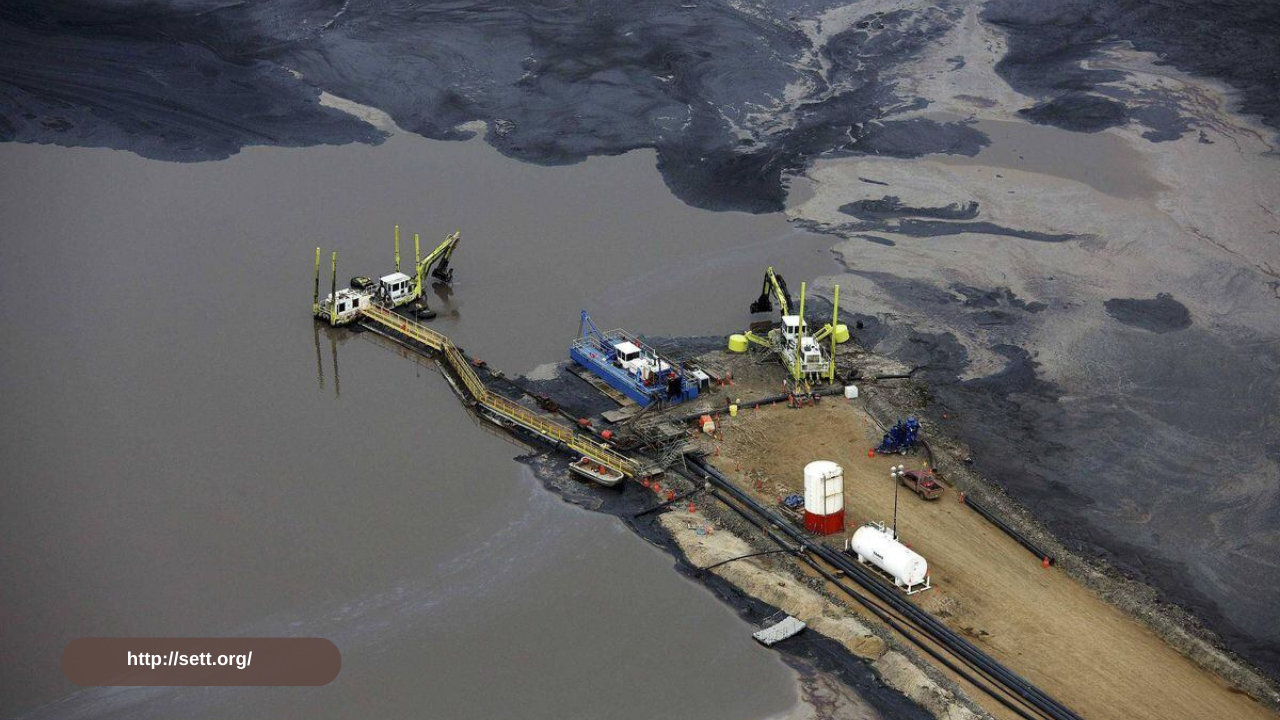
Despite the economic benefits, communities are increasingly concerned about the environmental footprint of oil sands operations. The extraction and processing of bitumen are energy-intensive and water-consuming, contributing to greenhouse gas emissions and pollution. Residents have reported negative impacts on air and water quality, and concerns about local wildlife and ecosystems are growing.

For many Indigenous communities, these concerns are especially significant. The oil sands projects often affect traditional lands and waters, threatening ways of life that depend on hunting, fishing, and trapping. Community members worry about the long-term effects on health, culture, and the environment.

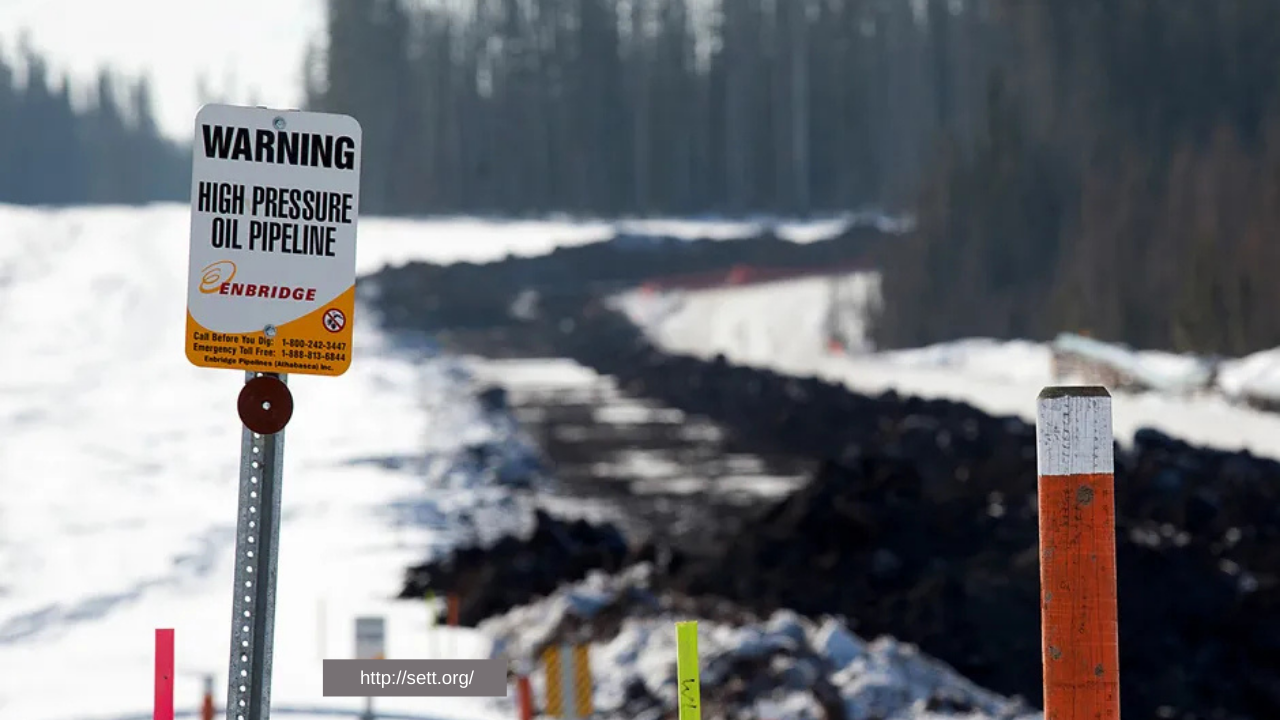
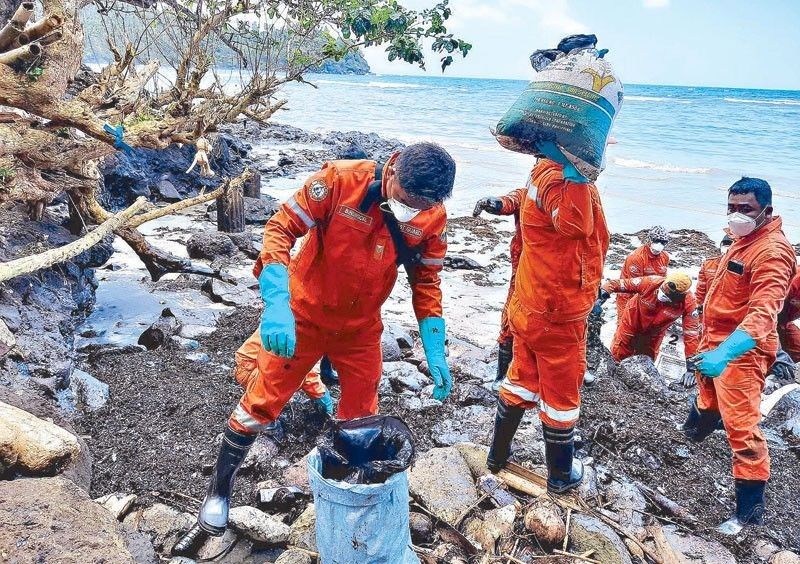
In recent years, environmental incidents such as pipeline leaks or tailings pond breaches have heightened public anxiety. As global awareness of climate change intensifies, pressure is mounting for cleaner energy alternatives and stricter environmental regulations.

Balancing the Trade-Offs

The debate in oil sands communities is rarely black and white. Most residents understand the importance of economic development but want it to be balanced with responsible environmental stewardship. There is growing support for innovations that reduce emissions, improve water management, and minimize land disturbance.

Local voices are calling for increased transparency, better consultation with Indigenous groups, and investment in long-term environmental monitoring. Many hope that by embracing cleaner technologies and sustainable practices, the industry can continue to provide economic benefits without compromising the environment.

Ultimately, the challenge lies in finding a path forward that respects both the economic aspirations and environmental values of oil sands communities. Their perspective—grounded in lived experience—offers a vital contribution to the broader national and global conversation about energy, sustainability, and responsible development.