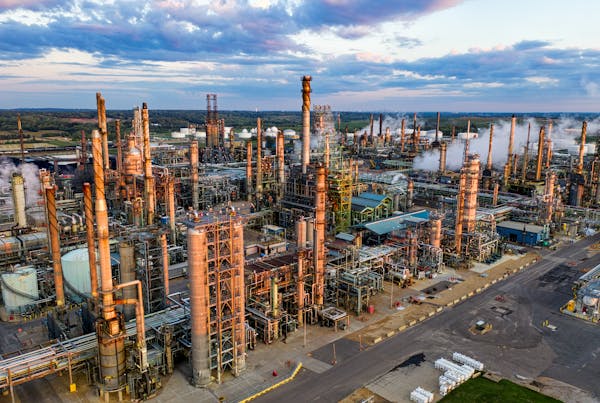
Oil Sands Workers Speak: The Highs and Lows of Life on Site

The oil sands industry is one of the most demanding and lucrative fields in Canada, attracting thousands of workers from across the country and beyond. While the financial rewards and career opportunities are significant, life on-site presents its own set of challenges. Workers experience both highs and lows, from the camaraderie and job security to the isolation and physical strain. Their firsthand experiences provide a unique insight into what it truly means to work in the oil sands.

The Highs: Financial Security and Team Camaraderie

One of the biggest attractions of oil sands work is the high earning potential. With competitive wages, overtime opportunities, and benefits, many workers are able to support their families and build financial stability. Some use their earnings to pay off debts, invest in homes, or secure a comfortable retirement. The promise of financial security draws individuals from various backgrounds, from tradespeople and engineers to general laborers looking for stable employment.

Beyond financial incentives, many workers speak of the strong sense of camaraderie on-site. Living and working together in remote locations fosters deep friendships and a unique bond among workers. Teams rely on each other for safety and support, creating a culture of trust and cooperation. For many, the friendships formed on-site make the long hours and isolation more bearable.

Additionally, the structured work environment and access to well-maintained facilities provide workers with stability. Many camps offer modern accommodations, including gyms, recreation rooms, and meal services, helping employees stay comfortable and focused on their work.

The Lows: Isolation, Mental Health Struggles, and Physical Demands

Despite the benefits, life in the oil sands is not without its hardships. One of the most commonly cited challenges is the sense of isolation. Workers often spend weeks away from their families and friends, missing out on important events and daily interactions. Long-distance relationships are put to the test, and the strain can lead to feelings of loneliness and disconnection.

The demanding schedule and high-pressure environment also take a toll on mental health. Depression, anxiety, and substance abuse are prevalent issues among workers, as they struggle to cope with the stress and emotional strain of their jobs. While some companies have introduced mental health programs and resources, stigma and the tough, resilient culture of the industry can make it difficult for workers to seek help.

Physically, the work is intense. Long shifts, extreme weather conditions, and hazardous environments require workers to be in top condition. Injuries and fatigue are common, and the physically demanding nature of the job can take a lasting toll on the body. Many workers find it challenging to maintain a healthy lifestyle due to the exhausting nature of their work.

A Life of Sacrifice and Reward

Working in the oil sands is a double-edged sword—offering financial rewards and career growth at the cost of personal sacrifices. For some, the trade-off is worth it, allowing them to secure a better future for themselves and their families. For others, the emotional and physical toll becomes too great over time.

Despite the hardships, oil sands workers take pride in their contributions to the industry and the economy. Their experiences shed light on the realities of life on-site, highlighting both the opportunities and the struggles that define this challenging but essential profession.


From Camp to Home: The Challenges of Work-Life Balance in the Oil Sands

Working in the oil sands comes with significant financial rewards, but it also presents major challenges when it comes to maintaining a healthy work-life balance. Many employees work long rotational shifts in remote camps, spending weeks away from their families and communities. The unique demands of this lifestyle create difficulties in building and sustaining relationships, managing stress, and maintaining overall well-being.

The Demanding Work Schedule

Oil sands workers typically follow rotational schedules, such as 14 days on and 7 days off, or even longer stints of 21 days on and 7 days off. While these schedules maximize productivity and efficiency, they can take a toll on personal life. Long shifts—often 12 hours or more—leave little time for relaxation, exercise, or meaningful social interactions.

Being away from home for extended periods means missing out on important family events, milestones, and daily routines. Many workers struggle with feelings of isolation and guilt for not being present in the lives of their loved ones. For those with children, maintaining a strong parental role from a distance requires extra effort and communication.

Life in the Work Camps

Oil sands camps provide basic amenities such as sleeping quarters, cafeterias, and recreational facilities. Some camps offer modern accommodations with gyms, Wi-Fi, and entertainment options, while others provide only the essentials. Regardless of the quality, the routine of camp life can feel monotonous and isolating.

The separation from family and a stable home environment can impact mental health. Many workers experience loneliness, stress, and anxiety, leading some to develop unhealthy coping mechanisms, such as excessive drinking or substance use. Companies have recognized these challenges and have begun implementing mental health programs and employee support services, but the issue remains prevalent.

Reintegrating into Home Life

After weeks of intense work, returning home can be both a relief and a challenge. Many workers struggle to switch from the high-paced, structured camp environment to the more relaxed and unpredictable home life. Spouses and family members may also find it difficult to adjust, as the worker’s long absence can lead to shifts in household dynamics and responsibilities.

Building and maintaining strong relationships requires conscious effort. Effective communication with partners, children, and friends is essential in bridging the gap between work and home life. Workers often have to make the most of their limited time at home, balancing rest with quality time spent with loved ones.

Finding a Sustainable Balance

Despite the challenges, many oil sands workers find ways to create a work-life balance that suits their needs. Some prioritize mental and physical well-being through regular exercise, social engagement, and mindfulness practices. Others negotiate shorter rotations or explore career advancement opportunities that provide more stability.

Employers are also recognizing the need for improved support systems, including better scheduling options, mental health resources, and family-friendly policies. While the oil sands industry will always demand sacrifices, continued efforts toward a healthier work-life balance can help employees thrive both on-site and at home.

Finding equilibrium in this demanding field is not easy, but with the right strategies and support, oil sands workers can navigate the challenges of camp life and maintain meaningful personal connections.


Boom and Bust: The Realities of Living in an Oil Sands Town

Living in an oil sands town means being part of a community shaped by the highs and lows of an industry driven by global oil prices. Towns like Fort McMurray, Alberta, have experienced rapid economic growth followed by sharp downturns, leaving residents to navigate the unpredictable cycles of prosperity and hardship.

The Boom: Prosperity and Opportunity

During boom periods, oil sands towns thrive. Jobs are plentiful, wages are high, and businesses flourish. Workers from all over Canada and beyond flock to these areas, seeking lucrative employment in oil extraction, transportation, and support services. Housing prices skyrocket, and infrastructure struggles to keep up with the population surge.

Boom times bring a sense of optimism, with new developments, businesses, and amenities improving the quality of life. Families relocate, schools expand, and services grow to accommodate the influx of workers and residents. For many, the promise of financial stability and career advancement makes the long hours and demanding conditions worthwhile.

The Bust: Economic Downturn and Uncertainty

However, when oil prices fall, the impact is immediate and severe. Layoffs become widespread, and once-thriving businesses shut their doors. Housing prices plummet, leaving homeowners with properties worth far less than their mortgages. Families that moved to the area for opportunity find themselves struggling to make ends meet or are forced to leave in search of new employment.

The emotional toll of these downturns is significant. Many workers face stress, depression, and anxiety due to job loss and financial instability. The uncertainty surrounding oil price fluctuations makes long-term planning difficult, and the cycle of boom and bust creates an atmosphere of instability.

Social and Cultural Impact

The transient nature of oil sands work results in a unique social dynamic in these towns. Many workers operate on rotational schedules, living in town for weeks at a time before returning home. This leads to a mix of temporary and permanent residents, shaping a culture that is both close-knit and transient.

During boom periods, the high cost of living can push lower-income residents out, while during downturns, social services become strained as unemployment rises. Addiction and mental health issues often spike, as individuals cope with job loss and financial stress.

The Future of Oil Sands Towns

As the world moves towards renewable energy and sustainability, oil sands towns face an uncertain future. While technological advancements and environmental policies aim to make oil extraction more sustainable, the industry remains vulnerable to market fluctuations and regulatory changes.

Despite these challenges, oil sands towns continue to adapt. Efforts to diversify the local economy, improve social services, and invest in long-term infrastructure projects offer hope for stability. The resilience of these communities is evident in their ability to weather economic storms and find new paths forward.

For those who call these towns home, life is a constant balancing act between opportunity and uncertainty. The boom brings prosperity, but the bust serves as a stark reminder of the industry’s volatility, shaping the realities of life in an oil sands town.


Life in the Oil Sands: A Firsthand Look at Work and Culture

The oil sands of Canada, primarily located in northern Alberta, are one of the world’s largest petroleum reserves. These vast reserves fuel the economy and provide thousands of high-paying jobs, attracting workers from across Canada and beyond. However, life in the oil sands is not for the faint of heart. Long shifts, harsh weather, and isolation define daily existence for those working in this demanding industry.

The Work: High Pay, Hard Labor

Jobs in the oil sands range from equipment operators and engineers to mechanics, electricians, and laborers. Many employees work in remote sites, often hundreds of kilometers away from major cities. These workers follow rotational schedules, commonly 14 days on and 7 days off, or even 21 days on and 7 days off. Shifts are long—typically 12 hours—and the work is physically demanding.

The pay, however, makes the sacrifice worthwhile for many. Skilled tradespeople can earn six-figure salaries, and even entry-level laborers make significantly above average wages compared to other industries. These high earnings attract workers from all over the country, especially from provinces experiencing economic downturns.

Camp Life: Isolation and Camaraderie

Since most oil sands operations are located in remote regions, companies provide accommodations in work camps. These camps are often equipped with basic amenities such as cafeterias, gyms, and recreation rooms. While some camps offer comfortable, even luxurious, lodging, others provide only the essentials.

For many workers, camp life is a double-edged sword. On one hand, it offers a sense of community where workers bond over shared experiences. On the other hand, the isolation from family and friends can take a mental toll. The repetitive routine of work, eat, sleep, and repeat can lead to feelings of loneliness and burnout.

The Culture: A Unique Brotherhood

The oil sands workforce is diverse, consisting of people from various backgrounds, provinces, and even countries. The shared experience of working in extreme conditions fosters a strong sense of camaraderie among workers. Teamwork and reliability are crucial, as safety is a top priority in the industry.

Despite the hardships, many workers take pride in their roles, knowing they are contributing to a major sector of the economy. The culture is tough and unfiltered—oil sands workers are known for their resilience, direct communication, and strong work ethic. However, issues such as substance abuse and mental health struggles are also prevalent, with some workers turning to alcohol or drugs to cope with stress and isolation.

The Future of the Oil Sands

The oil sands industry faces uncertainty as environmental concerns, fluctuating oil prices, and political debates shape its future. While advancements in technology aim to reduce environmental impacts, pressure from climate change activists and government policies continue to challenge the industry’s long-term viability.

Despite these uncertainties, the oil sands remain a crucial part of Canada’s economy, employing thousands and contributing billions to GDP. For those willing to endure the hardships, life in the oil sands offers financial stability, adventure, and a unique experience that few other industries can match.


From Oil Fields to the Community: The Social Impact of Alberta’s Oil Industry

Alberta’s oil industry is a cornerstone of the province’s economy, but its influence extends far beyond economic metrics. The sector’s rapid expansion over the past few decades has transformed not only Alberta’s financial landscape but also its social fabric. From bustling communities that grew around oil fields to cultural shifts rooted in industry-driven prosperity, the oil industry’s social impact on Alberta is profound and multi-faceted.

One of the most visible social effects of Alberta’s oil industry is population growth and urbanization. Towns like Fort McMurray, located near the province’s vast oil sands, have seen explosive growth due to the influx of workers. What were once small, quiet communities have evolved into dynamic hubs of activity. This growth has brought increased access to services, better infrastructure, and diverse opportunities for residents. However, the rapid pace of development has also created challenges, such as housing shortages, strained public services, and the need to integrate newcomers from various cultural and geographic backgrounds.

The oil industry has also fostered a culture of opportunity and entrepreneurship in Alberta. High wages and the demand for skilled labor have attracted workers from across Canada and around the world. For many, jobs in the oil sector offer a path to financial stability and upward mobility. Additionally, the industry’s robust supply chain has spurred the growth of small businesses in areas such as catering, transportation, and construction, creating a ripple effect of economic benefits that extend into local communities.

Culturally, Alberta’s oil boom has instilled a sense of pride and resilience among its residents. The province is often viewed as the backbone of Canada’s energy industry, a perception that has shaped Alberta’s identity both locally and nationally. Community events, sponsorships, and philanthropic efforts by oil companies further reinforce this identity. Major players in the industry frequently contribute to local causes, such as funding schools, hospitals, and recreational facilities, enhancing the quality of life in oil-producing regions.

However, the social impact of the oil industry is not without its complexities. The boom-and-bust nature of oil prices has led to cycles of economic prosperity followed by downturns. These fluctuations affect not only the province’s economy but also the lives of workers and their families. During downturns, layoffs and economic uncertainty can take a toll on mental health and community cohesion. In oil-dependent towns, the loss of jobs often leads to outmigration and the erosion of community ties.

The oil industry’s presence has also had a profound impact on Alberta’s Indigenous communities. Many Indigenous groups live in or near areas of oil extraction, and their lives have been directly influenced by the industry’s operations. While some communities have benefited through employment opportunities, revenue-sharing agreements, and partnerships with oil companies, others have faced challenges related to environmental degradation and the loss of traditional lands. Balancing economic development with the preservation of Indigenous rights and culture remains a critical issue.

Moreover, the environmental consequences of the oil industry cannot be ignored in discussions about its social impact. Concerns about air and water pollution, as well as the industry’s contribution to climate change, have fueled public debate and activism. These concerns have sparked a cultural shift toward sustainability, with many Albertans advocating for greener practices and renewable energy investments.

In conclusion, Alberta’s oil industry has had a profound social impact, shaping communities, cultural identities, and individual lives. While it has brought prosperity and opportunities to many, it has also introduced challenges that demand thoughtful solutions. As the province looks to the future, addressing these challenges while fostering sustainable growth will be key to ensuring that the benefits of Alberta’s oil wealth are shared equitably and responsibly.


The Oil Sands Boom: How Alberta’s Oil Culture Shapes Its Economy and Identity

The oil sands boom in Alberta represents a profound shift in both the province’s economy and its cultural identity. Since the 1960s, when commercial oil sands extraction began, Alberta has undergone a dramatic transformation, evolving from a largely agricultural region into a global energy powerhouse. This transition has not only reshaped the province’s economic landscape but has also deeply influenced its social and cultural fabric.

At the heart of Alberta’s economic transformation is the vast expanse of oil sands deposits located primarily in the northern part of the province. These deposits, also known as tar sands, are one of the largest reserves of crude oil in the world. The extraction and processing of these resources have become the cornerstone of Alberta’s economy, contributing significantly to both provincial and national revenues. The oil sands boom has spurred substantial growth in the energy sector, creating thousands of jobs and attracting considerable investment. This economic vitality has been pivotal in shaping Alberta’s modern identity as a hub of innovation and industrial prowess.

The oil sands industry has fostered a unique economic culture in Alberta, characterized by a blend of entrepreneurial spirit and resourcefulness. The boom has led to the development of specialized industries and infrastructure, including advanced technologies for extraction and environmental management. Companies involved in the oil sands sector are often seen as pioneers in their field, driving innovation and setting benchmarks for the global energy industry. This culture of innovation and resilience has become a defining feature of Alberta’s economic identity.

However, the impact of the oil sands boom extends beyond economic metrics. It has significantly influenced Alberta’s social and cultural dynamics. The influx of workers and their families from various parts of Canada and beyond has led to a rich tapestry of cultural diversity in the region. This demographic shift has contributed to the development of vibrant communities and has influenced local culture, creating a melting pot of traditions and perspectives.

Despite these positive aspects, the oil sands boom has also brought challenges and controversies. Environmental concerns have been at the forefront of debates surrounding the industry. The extraction process is energy-intensive and has been associated with significant greenhouse gas emissions and ecological disruption. These environmental issues have sparked heated discussions within Alberta and across Canada, prompting calls for more sustainable practices and greater environmental stewardship.

The cultural response to these challenges has been complex. On one hand, there is a strong sense of pride in the technological achievements and economic benefits associated with the oil sands. On the other hand, there is growing awareness and concern about the environmental impact, leading to a cultural shift towards sustainability and responsibility. This duality reflects the broader tension within Alberta’s identity as it navigates the balance between economic growth and environmental stewardship.

In addition, the oil sands boom has had profound implications for Indigenous communities in Alberta. Many Indigenous groups have been actively involved in negotiations and partnerships with oil companies, seeking to ensure that their rights and interests are respected. The development of oil sands projects has led to discussions about land rights, environmental protection, and economic opportunities, highlighting the need for meaningful engagement and collaboration.

In conclusion, the oil sands boom has indelibly shaped Alberta’s economy and cultural identity. While it has driven significant economic growth and fostered a spirit of innovation, it has also brought environmental and social challenges that continue to shape the province’s trajectory. As Alberta moves forward, finding a sustainable path that balances economic development with environmental and social responsibility will be crucial in defining its future identity.


Impact of Alberta’s Oil Industry

Alberta’s oil industry has been a significant driver of economic growth, societal change, and environmental debate in Canada. The province’s vast oil sands have placed it on the global energy map, contributing substantially to both the Canadian and global economy. However, this prosperity comes with a complex set of impacts, ranging from economic benefits to environmental challenges and social dynamics.

Economic Impact

The economic impact of Alberta’s oil industry is profound. The oil sands are one of the largest reserves of crude oil in the world, attracting substantial domestic and international investment. This influx of capital has spurred job creation, with thousands of Canadians employed directly in the oil sector and related industries such as construction, transportation, and services. The prosperity generated by the oil industry has also contributed to high standards of living and economic stability within the province. Alberta has enjoyed periods of low unemployment rates and high average incomes, largely due to its robust oil sector.

Furthermore, the oil industry has been a significant source of revenue for the Canadian government through taxes and royalties. These funds have been instrumental in supporting public services and infrastructure projects across the country, not just in Alberta. This financial boon underscores the national importance of Alberta’s oil industry.

Environmental Impact

While the economic benefits are clear, the environmental impact of Alberta’s oil industry is a contentious issue. The extraction and processing of oil sands are energy-intensive processes that result in significant greenhouse gas emissions. The industry is one of the largest sources of carbon pollution in Canada, contributing to climate change and air quality issues.

The process of extracting oil from the sands also poses risks to the local environment. Large-scale strip mining alters landscapes, and the use of water in extraction processes leads to contamination and depletion of local water resources. Tailings ponds, which store the toxic byproducts of oil sands extraction, pose long-term environmental hazards. These environmental concerns have led to increased scrutiny and pressure on the industry to adopt more sustainable practices.

Social Impact

The social impact of Alberta’s oil industry is multifaceted. On one hand, the industry has provided economic opportunities and improved living standards for many. Oil boomtowns have sprung up, bringing with them a mix of prosperity and social challenges. Rapid population growth in these areas has sometimes outpaced the development of necessary infrastructure and services, leading to housing shortages and strains on healthcare and education systems.

Indigenous communities in Alberta have also been significantly affected. While some communities have benefited economically through jobs and business opportunities, others have faced displacement and environmental degradation that impacts their traditional lands and ways of life. This has led to a complex relationship between the oil industry and Indigenous peoples, characterized by both cooperation and conflict.

The impact of Alberta’s oil industry is a tapestry of economic growth, environmental challenges, and social changes. Its contributions to the Canadian economy are undeniable, providing jobs, investments, and government revenue. However, these benefits come with significant environmental costs and complex social dynamics that require ongoing management and mitigation. As the world moves towards more sustainable energy sources, Alberta’s oil industry faces the challenge of balancing economic prosperity with environmental responsibility and social equity. Addressing these challenges will be crucial for ensuring the long-term sustainability and inclusivity of the region’s development.


The Impact of Oil Culture on Alberta’s Identity

In the heart of Western Canada lies the province of Alberta, a land synonymous with vast prairies, rugged landscapes, and abundant natural resources. However, it’s the province’s rich oil culture that has left an indelible mark on its identity, shaping its economy, society, and collective consciousness. Let’s explore how the oil industry has influenced Alberta’s identity and become intertwined with its history and heritage.

A Legacy of Prosperity:

Alberta’s oil industry has long been a pillar of its economy, driving growth, innovation, and prosperity. Since the discovery of oil in the early 20th century, the province has experienced periods of unprecedented economic expansion, attracting workers, investors, and businesses from around the world. The oil sands in northern Alberta, in particular, have become a focal point of extraction, producing vast quantities of crude oil and fueling economic growth on a massive scale.

The Oil Worker Ethos:

The oil industry has cultivated a distinct ethos among Albertans, particularly those who work directly in extraction, production, and refining. For many, working in the oil fields is more than just a job—it’s a way of life, characterized by hard work, resilience, and a deep sense of camaraderie. The oil worker ethos is marked by a strong work ethic, a willingness to overcome adversity, and a sense of pride in contributing to the province’s prosperity.

Environmental and Social Challenges:

Despite its economic benefits, Alberta’s oil industry has also faced its share of challenges, particularly in the realm of environmental stewardship and social responsibility. Concerns about pollution, habitat destruction, and carbon emissions have sparked debates about the long-term sustainability of oil extraction and its impact on the environment. Additionally, issues related to Indigenous rights, land use, and community well-being have highlighted the complex social dynamics at play in the province’s oil-rich regions.

Cultural Significance:

Oil culture has become deeply ingrained in Alberta’s cultural fabric, influencing everything from art and literature to politics and public discourse. The oil industry has inspired countless works of literature, film, and visual art, serving as both a source of inspiration and a subject of critique. It has also played a prominent role in shaping Alberta’s political landscape, with debates over energy policy, resource development, and environmental regulation often taking center stage in provincial and national politics.

Looking to the Future:

As the world grapples with the challenges of climate change and the transition to renewable energy, Alberta’s oil industry faces an uncertain future. While the province continues to rely heavily on oil and gas revenue, there is growing recognition of the need to diversify the economy and invest in sustainable industries. Initiatives aimed at promoting renewable energy, reducing carbon emissions, and fostering innovation are gaining momentum, signaling a shift towards a more balanced and sustainable future.

In conclusion, the impact of oil culture on Alberta’s identity is profound and multifaceted, shaping its economy, society, and collective consciousness in profound ways. While the oil industry has brought prosperity and opportunity to the province, it has also presented challenges and complexities that must be addressed. As Alberta looks to the future, it will need to navigate these challenges thoughtfully, embracing innovation, sustainability, and resilience as it continues to define its identity in the 21st century.


Understanding the Diverse Layers of Alberta’s Oil Industry Culture

Alberta’s oil industry is more than just an economic powerhouse; it is a complex and multifaceted culture deeply woven into the fabric of the province’s identity. Beyond the machinery and infrastructure lies a community with its own traditions, challenges, and narratives. In this article, we delve into the diverse layers of Alberta’s oil industry culture, exploring the nuances that shape this integral aspect of Canadian identity.

  1. Pioneering Spirit:

The roots of Alberta’s oil industry culture trace back to the early 20th century when pioneers ventured into the untamed landscapes in search of black gold. This pioneering spirit remains ingrained in the culture, symbolizing resilience, determination, and a relentless pursuit of progress. Today, this ethos continues to inspire those working in the oil fields, shaping a collective mindset that embraces challenges as opportunities for growth.

  1. Work Ethic and Camaraderie:

The oil industry is renowned for its demanding work environments, requiring long hours and unwavering commitment. The culture emphasizes a strong work ethic and a sense of camaraderie among workers. Whether on the rigs or in the offices, a shared sense of purpose fosters a tight-knit community where individuals rely on each other in challenging conditions, creating bonds that extend beyond the workplace.

  1. Cultural Diversity:

Alberta’s oil industry is a melting pot of cultural diversity, attracting workers from across Canada and around the world. This diversity brings a rich tapestry of traditions, languages, and perspectives to the workplace. While the industry is united by a common goal, the infusion of varied cultural elements contributes to a dynamic and inclusive oil industry culture that continues to evolve.

  1. Environmental Responsibility:

With increased global awareness of environmental issues, Alberta’s oil industry has been undergoing a cultural shift towards greater environmental responsibility. The culture now includes a commitment to sustainable practices, technological innovation, and reducing the environmental footprint of oil extraction. This evolving ethos reflects a collective acknowledgment of the industry’s impact and a dedication to responsible resource development.

  1. Community Engagement:

The oil industry is not confined to the rigs and refineries; it extends its reach into the communities surrounding extraction sites. Alberta’s oil culture includes a tradition of community engagement, with companies investing in local initiatives, infrastructure, and education. This symbiotic relationship between the industry and the communities it operates in fosters a sense of shared responsibility and mutual growth.

  1. Challenges and Adaptability:

The culture of Alberta’s oil industry is marked by its resilience in the face of challenges. Economic fluctuations, regulatory changes, and global market dynamics are part of the industry’s narrative. The ability to adapt and innovate in response to these challenges has become ingrained in the culture, shaping a workforce that is dynamic, forward-thinking, and prepared for the uncertainties of the future.

Conclusion:

Alberta’s oil industry culture is a living, breathing entity that goes beyond the extraction of resources; it encompasses a way of life, a shared history, and a vision for the future. Understanding the diverse layers of this culture requires acknowledging its deep-rooted traditions, embracing its cultural diversity, and recognizing the industry’s evolution toward sustainability and community engagement. In navigating the complexities of Alberta’s oil industry culture, one discovers a narrative that is as diverse and dynamic as the province itself, reflecting the continuous adaptation and resilience that define this integral aspect of Canadian identity.


An Exploration of Its Roots and Impact

Alberta has long been known for its oil reserves, and the resulting revenue that it brings to the province. This is just one of the reasons the province has earned the nickname “the Texas of the North.” The history of the oil industry in Alberta dates back to the early 20th century, when wildcatters, or those dedicated to exploration, discovered oil in the province. This initial discovery was followed by decades of booming activity, and the rapid development of new technologies, which has allowed the oil industry to remain a major presence in Alberta’s economy.

Today, the oil industry in Alberta is an integral part of the province’s identity, and it plays a major role in the culture of the region. Those who live in Alberta are often proud of the fact that their province is a major oil producer, and the gains that the industry has brought to the area often lead to a sense of pride. This is reflected in the distinct culture that has developed around the oil industry in Alberta, which has become an integral part of the province’s identity.

One of the cultural norms that has developed around the oil industry is a focus on jobs and entrepreneurship. Many people in Alberta associate the industry with steady employment opportunities and the potential for lucrative business ventures. This outlook has lead to an overall optimism in the province, as those living in Alberta have become accustomed to the idea that there is money to be made in the energy sector.

This attitude is reflected in the type of businesses that have prospered in Alberta. Oil-focused investment firms, servicing companies, and oil-based technology companies often thrive in the province. Many of these businesses are based in Alberta and often employ locals. Overall, the major presence of the oil industry in Alberta has contributed to the creation of a strong ecosystem for entrepreneurs.

The culture of Alberta is further shaped by the environmental implications of oil production. As the industry has grown, so too has a sense of awareness about climate change. Many Albertans are concerned about the way the oil industry is impacting the environment, and the resulting pollution and environmental damage. This has lead to a shift in the oil culture, with a focus on developing new technologies and sustainable practices in the industry.

The Canadian oil culture of Alberta is a reflection of the province’s long and storied relationship with energy resources. The industry has undeniably been a major contributor to the economy of the province, and it has become an integral part of the culture and identity of Alberta. With an increased focus on sustainability, the oil culture of Alberta is bound to continue to evolve and shape the province’s future.